
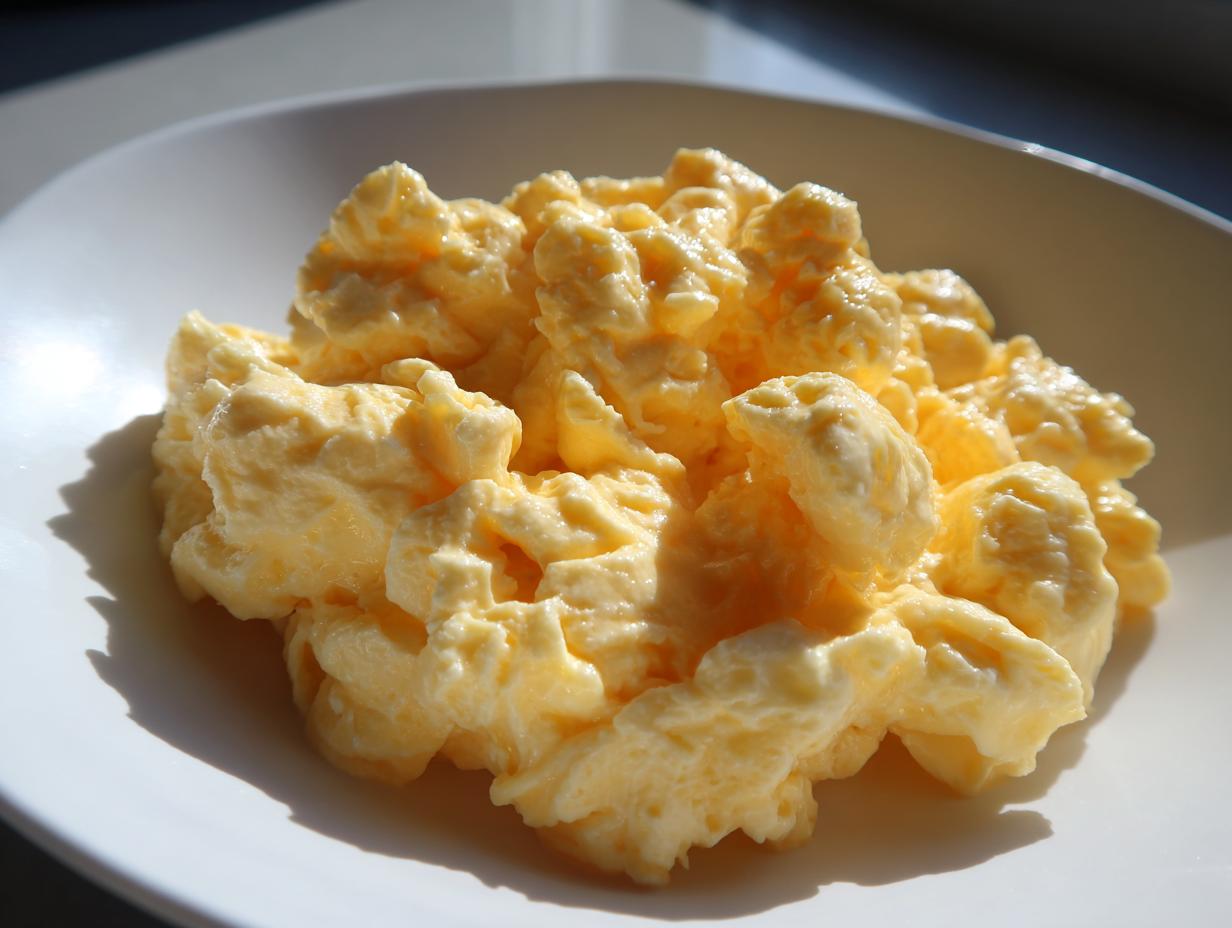
There is simply nothing that screams ‘good morning’ louder than a plate of beautifully cooked eggs, right? For me, Olivia Rosewood, the goal has always been to take those classic American comfort foods we all love and make them truly simple and reliable for your busy life. That’s why I spent ages figuring out the secret to the most amazing batch of scrambled eggs you’ll ever eat. We aren’t just aiming for fluffy, and we aren’t just aiming for creamy. We’re merging them! Get ready for eggs that are somehow perfectly light and melt-in-your-mouth soft, all thanks to one simple stovetop trick. Forget dry, sad eggs; this is breakfast magic in under ten minutes!
- Why This Recipe Delivers the Best Ever Creamy and Fluffy Scrambled Eggs
- Ingredients for Creamy and Fluffy Scrambled Eggs
- Step-by-Step Instructions: How to Cook Eggs Perfectly
- Making Gourmet Scrambled Eggs: Flavor Variations
- Tips for Success with Fluffy Scrambled Eggs
- Storage and Reheating Instructions for Scrambled Eggs
- Serving Suggestions for Your Simple Morning Meal
- Frequently Asked Questions About Scrambled Eggs
- Nutrition Estimate for Creamy Scrambled Eggs
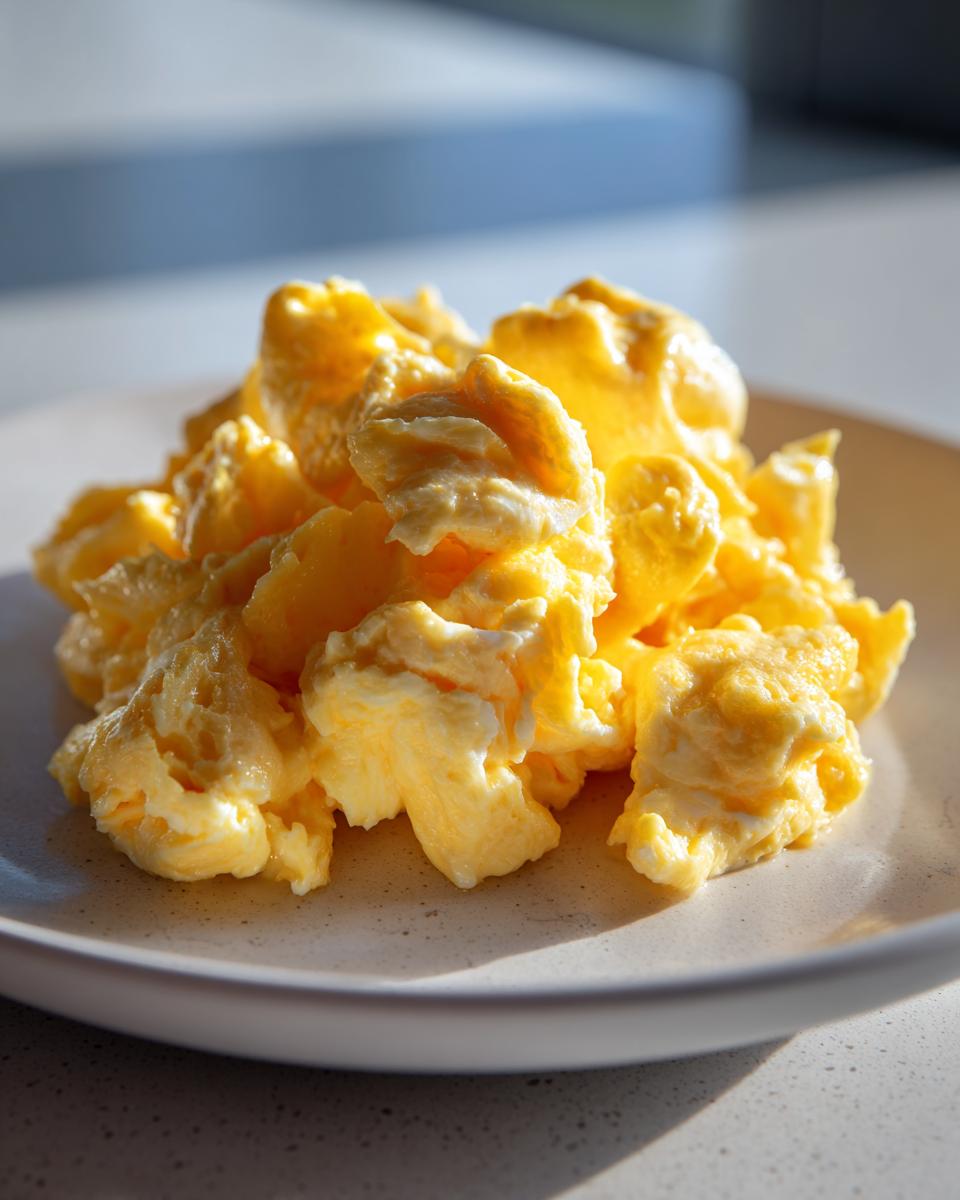
Why This Recipe Delivers the Best Ever Creamy and Fluffy Scrambled Eggs
I know, I know. Everyone claims they make the *best* scrambled eggs, but trust me, this method is different. I developed this technique because I was so tired of eggs that either turned out flat and dry, or wet and soupy. This process gives you the absolute best of both worlds every single time. It’s fast enough for a busy morning, too, which is essential for my household!
- Double-Duty Texture: It achieves that desirable fluffiness without sacrificing rich creaminess.
- Speedy Meal: Total time is just over seven minutes, making this a fantastic quick egg ideas solution.
- Flavor Focused: Using real butter and cream ensures a deeply satisfying, rich taste.
Achieving the Perfect Soft Scrambled Eggs Technique
The main secret here is patience—and I mean *very* little patience! We use the Soft Scrambled Eggs Technique, which means keeping the heat downright low. If you crank up the temperature, the proteins seize up instantly, and you get those tough, rubbery curds. By moving gently and folding them slowly in the pan, we’re coaxing those proteins to set into soft, luxurious pillows. It transforms harsh cooking into delicate baking!
Ingredients for Creamy and Fluffy Scrambled Eggs
Whenever I share this recipe, people always ask if they can use water or skim milk. And look, I totally get wanting to save a few calories! But for the absolute best texture? We need a little fat on our side. These ingredients are what give us that beautiful, almost custardy interior. You want to use the best ingredients you can find here because there aren’t many of them!
- 3 large eggs (room temperature is a bonus, but not essential!)
- 1 tablespoon heavy cream or whole milk (this is key for creaminess!)
- 1 teaspoon unsalted butter (don’t skimp on the butter; it adds flavor)
- Pinch of salt
- Pinch of black pepper
Ingredient Notes and Substitutions
The heavy cream is what gives the *creamy* element its winning edge, but whole milk works great too! If you use milk, you might lose just a touch of that melt-in-your-mouth richness, but it’s still delicious. And please, please use proper unsalted butter here. It has a cleaner flavor profile, and we want that buttery backdrop shining next to the richness of those eggs. Avoid using margarine; it just won’t melt and foam the same way.
Step-by-Step Instructions: How to Cook Eggs Perfectly
This is where the magic—and the patience—comes in! When I first tried cooking my eggs on what seemed like the lowest setting possible on my stove, I thought nothing would ever happen. I almost turned the heat up, thinking I’d ruined the whole thing! But sticking with it resulted in the most incredibly satisfying, velvety texture. This is the honest secret to How to Cook Eggs Perfectly. Remember, we are cooking low and slow here. This entire process, from pan hitting the heat to serving, should take about 5 minutes total.
Prepping the Eggs for Superior Scrambled Eggs
Get your whisk out! You want to combine those three eggs, the cream, salt, and pepper until they just look one single, pale yellow color. Don’t whip them like you’re making meringue, though! Over-whisking adds too much air, which fights against the creamy texture we are aiming for later. Just blend until uniform, about 30 seconds, and then get ready for the pan.
The Gentle Cooking Method for Creamy Egg Tutorial
Get your non-stick skillet nice and warm over low heat, then melt your butter until it’s just foamy—not brown! Pour in the egg mixture and let it sit still for about 30 seconds until you see the edges just barely start to set up. Now, take your soft spatula and gently *push* the cooked edges inward, tilting the pan so the raw egg flows underneath. This folding motion, done slowly over those few minutes, is the essence of the Creamy Egg Tutorial. Keep doing this folding until they look glossy and mostly done, but still super wet before you pull them off the heat!
Making Gourmet Scrambled Eggs: Flavor Variations
While I adore these eggs in their simple buttered glory, sometimes you need a little something extra, right? It’s easy to turn this base recipe into something truly special for weekend brunch or even a quick dinner! If you want to treat yourself, adding just one or two small elements can elevate your plate from basic to beautiful. This is where we get into those fun flavor additions that make serving up Gourmet Scrambled Eggs so exciting.
Scrambled Eggs with Cheese Variations
Cheese is probably the favorite addition for most folks. The trick is to add it right at the very end—like literally when the eggs are still shimmering wet off the heat. I love a sharp cheddar for flavor, but Gruyère melts like a dream and gives a nutty richness. Remember, add it when the heat is OFF to let that residual warmth melt it perfectly into those soft curds.
Tips for Success with Fluffy Scrambled Eggs
When you’re going for those Best Fluffy Scrambled Eggs, you need to respect the process. It’s less about scrambling hard and more about coaxing perfection! I’ve pulled together my top tips that I use every single morning to guarantee success, even when I’m running late trying to get out the door.
- Use a Non-Stick Pan, Always: Seriously, don’t even try this low-and-slow method in a stainless steel pan unless you love scraping bits off! A good non-stick surface is vital for those slow, gentle folds we rely on for texture.
- Remove Them Early—Like, Too Early: This is the most crucial bit. When you think your scrambled eggs are done, pull the pan off the heat immediately. They should still look slightly wet in the pan. That carry-over heat is your final cooking stage, and it’s what turns them creamy instead of dry.
- Whisking: Like I mentioned before, whisk just until blended. You want a uniform color, not a towering foam! Too much air equals less richness, and we want richness here.
Follow these little rules, and you’ll never have a sad, rubbery breakfast again. You can’t beat perfect scrambled eggs!
Storage and Reheating Instructions for Scrambled Eggs
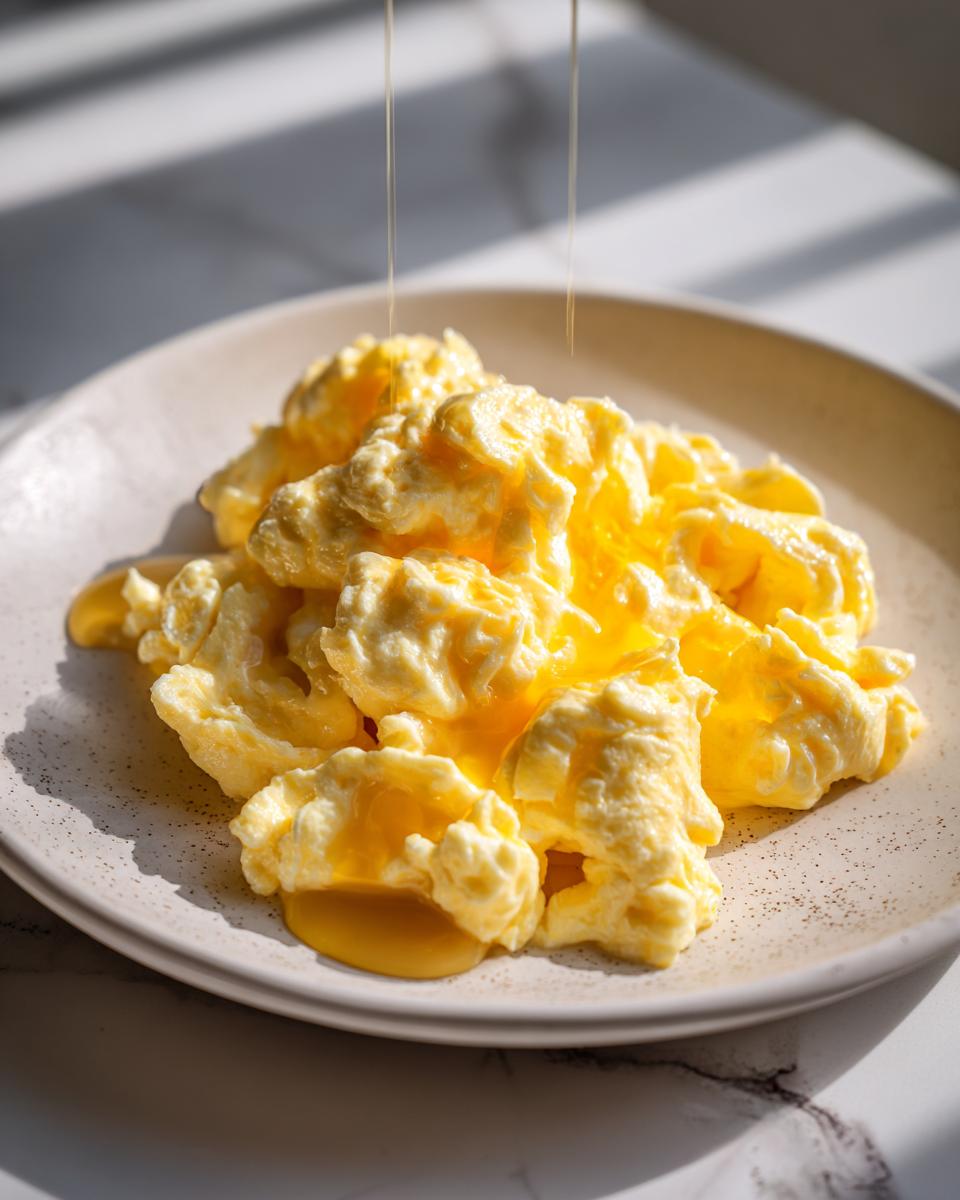
Okay, friend, let’s talk leftovers. Because these eggs are so delicate—that’s the beauty part—they are honestly at their peak texture the second they leave the pan. They are a true “eat immediately” food, just like pancakes or french toast. If you’re cooking for one, there shouldn’t be any leftovers, seriously!
However, life happens, and sometimes you end up with a little bit remaining. If you must store them, get them into an airtight container right away and pop them in the fridge. I try not to keep them longer than one day because that beautiful creamy texture starts to fade fast, even when stored correctly.
The Best Way to Revive Leftover Eggs
Reheating scrambled eggs can be tricky; they tend to get dry and spongy so quickly. If you try blasting them in the microwave, you’re probably going to end up feeling disappointed. My trick is to reheat them very gently with a little bit of extra moisture added back in.
Put the leftover eggs in that same non-stick skillet over the absolute lowest heat setting. Add a tiny splash—maybe half a teaspoon is all you need—of water or extra cream. Stir them *constantly* until they are just warmed through. It takes literally a minute, and you’ll be shocked how much of that soft texture comes back! Don’t let them sit on the heat; just warm them up gently until they are steaming, then serve right away. It brings them back to life, even if they’re never quite as perfect as piping hot from the stove!
Serving Suggestions for Your Simple Morning Meal
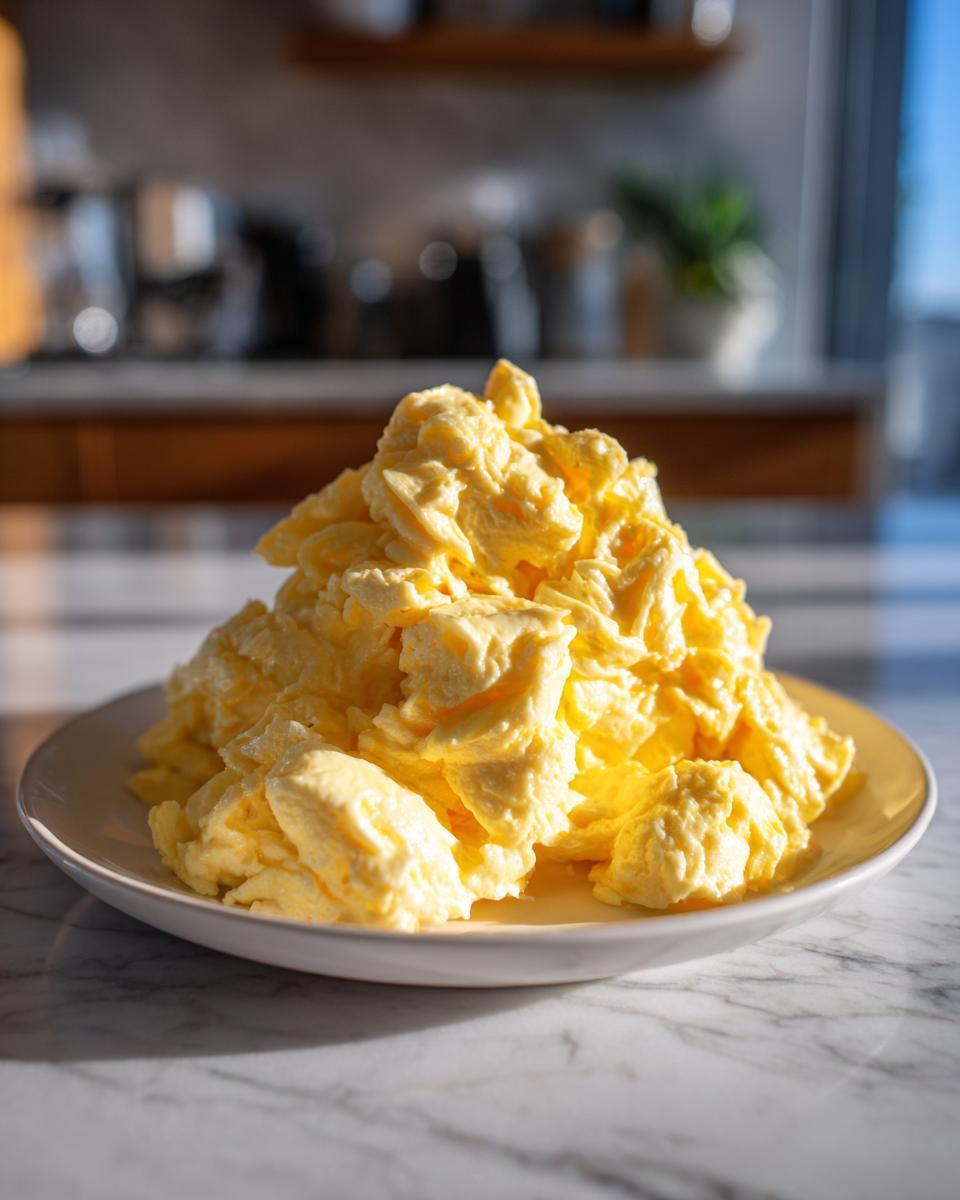
Now these creamy, fluffy eggs are ready, and honestly, they’re perfect just sitting solo in a bowl! But if you’re planning a bigger meal, these are amazing alongside everything. For a true taste of Breakfast Comfort Food, I usually grab a piece of sourdough toast and pile them right on top. The slight crunch of the toast against the soft eggs? Heaven!
If you’re serving these up for a leisurely weekend, they make the simplest addition to your repertoire of Brunch Ideas Homemade. They pair beautifully with sliced avocado seasoned with flaky salt, or even a small side of fresh berries to cut through the richness of the butter and cream. No matter what you choose, these eggs deserve a spot on your favorite plate!
Frequently Asked Questions About Scrambled Eggs
I always get so many questions about making these eggs the *right* way! It shows how much people really want to nail this simple classic. Here are a few things folks ask me all the time when they try this technique for the first time:
Is heavy cream absolutely necessary, or can I just use milk?
That’s a great question tying right into texture! Heavy cream gives you that gorgeous, rich, almost custardy mouthfeel that makes these eggs so decadent. If you use whole milk, you’ll still get a lovely result and a perfectly fine 5 Minute Breakfast, but it won’t be quite as luxurious or creamy. Half-and-half is a nice middle ground if you can’t decide!
Can I make a big batch of these ahead of time for quick meals?
Oh, how I wish you could! Because the secret to these is that incredibly low and slow cook time, they are best eaten right when they are done. Once they cool, that luxurious texture starts to firm up right away. If you’re entertaining, I recommend stirring the eggs in small batches. You can certainly prep your mix ahead of time, but the final cooking should be done right before serving for the best flavor and texture.
Are these eggs a good option for someone watching their carb intake?
Yes, absolutely! As they are written—eggs, butter, and cream—this is a fantastic Low Carb Breakfast option. We aren’t adding any flour or starchy fillers here, so you get pure protein and fat. If you pair them with avocado or bacon instead of toast, you keep that meal completely keto-friendly!
What if I don’t have a non-stick pan? Will my gentle folding work?
You might have some trouble, honestly. If you only have stainless steel or cast iron, you need to be very generous with the butter—maybe double the amount—to prevent sticking during those first few moments when the eggs start to set on the bottom. Even then, use the lowest heat setting you possibly can, because sticking will force you to scrape hard, which ruins those beautiful soft curds we are trying to create!
Nutrition Estimate for Creamy Scrambled Eggs
I always get asked about the nutritional breakdown, especially when someone is looking for a solid low carb breakfast that still feels indulgent. Since this recipe relies on eggs, butter, and cream, you are definitely getting good healthy fats and protein, which is why they keep you full until lunch!
Here is the basic estimate based on the three eggs, cream, and butter listed in my recipe. Remember, this is just a starting point, and everything can change depending on the brand of cream you grab or if you choose to add cheese or herbs!
- Serving Size: 1 serving
- Calories: 240
- Fat: 20g
- Saturated Fat: 10g
- Carbohydrates: 2g
- Protein: 14g
- Sodium: 250mg
- Cholesterol: 450mg
See? Packed with satisfying protein! Just a little note about those numbers—they are all calculated estimates. If you start swapping in cottage cheese or adding a handful of cheddar cheese, those figures are going to jump up, especially the sodium and fat content. But if you stick to this exact, simple recipe, it’s a fantastic, filling, and relatively low-carb way to start your day!
PrintBest Ever Creamy and Fluffy Scrambled Eggs

Learn the simple technique for making perfectly creamy and fluffy scrambled eggs every time, ideal for a quick and satisfying breakfast.
- Prep Time: 2 min
- Cook Time: 5 min
- Total Time: 7 min
- Yield: 1 serving 1x
- Category: Breakfast
- Method: Stovetop Cooking
- Cuisine: American
- Diet: Low Carb
Ingredients
- 3 large eggs
- 1 tablespoon heavy cream or whole milk
- 1 teaspoon unsalted butter
- Pinch of salt
- Pinch of black pepper
Instructions
- In a medium bowl, whisk the eggs, heavy cream (or milk), salt, and pepper together until the mixture is uniform and slightly frothy. Do not over-whisk.
- Place a non-stick skillet over low heat. Add the butter and let it melt completely until it foams slightly.
- Pour the egg mixture into the skillet. Let the eggs sit undisturbed for about 30 seconds until the edges just begin to set.
- Using a heat-resistant rubber spatula, gently push the cooked egg from the edge toward the center, tilting the pan so the uncooked egg flows underneath.
- Continue this slow pushing and folding motion around the pan. Keep the heat low.
- Cook until the eggs are mostly set but still look slightly wet and glossy. This usually takes 3 to 5 minutes total.
- Remove the skillet from the heat immediately. The residual heat will finish cooking the eggs to a soft, creamy consistency.
- Serve immediately for the best texture.
Notes
- For extra flavor, stir in 1 tablespoon of shredded cheddar or Gruyère cheese during the last minute of cooking.
- For a fresh finish, sprinkle finely chopped chives over the finished eggs before serving.
- Cooking low and slow is the secret to avoiding dry, rubbery eggs. Do not rush this process.
Nutrition
- Serving Size: 1 serving
- Calories: 240
- Sugar: 1
- Sodium: 250
- Fat: 20
- Saturated Fat: 10
- Unsaturated Fat: 10
- Trans Fat: 0
- Carbohydrates: 2
- Fiber: 0
- Protein: 14
- Cholesterol: 450