

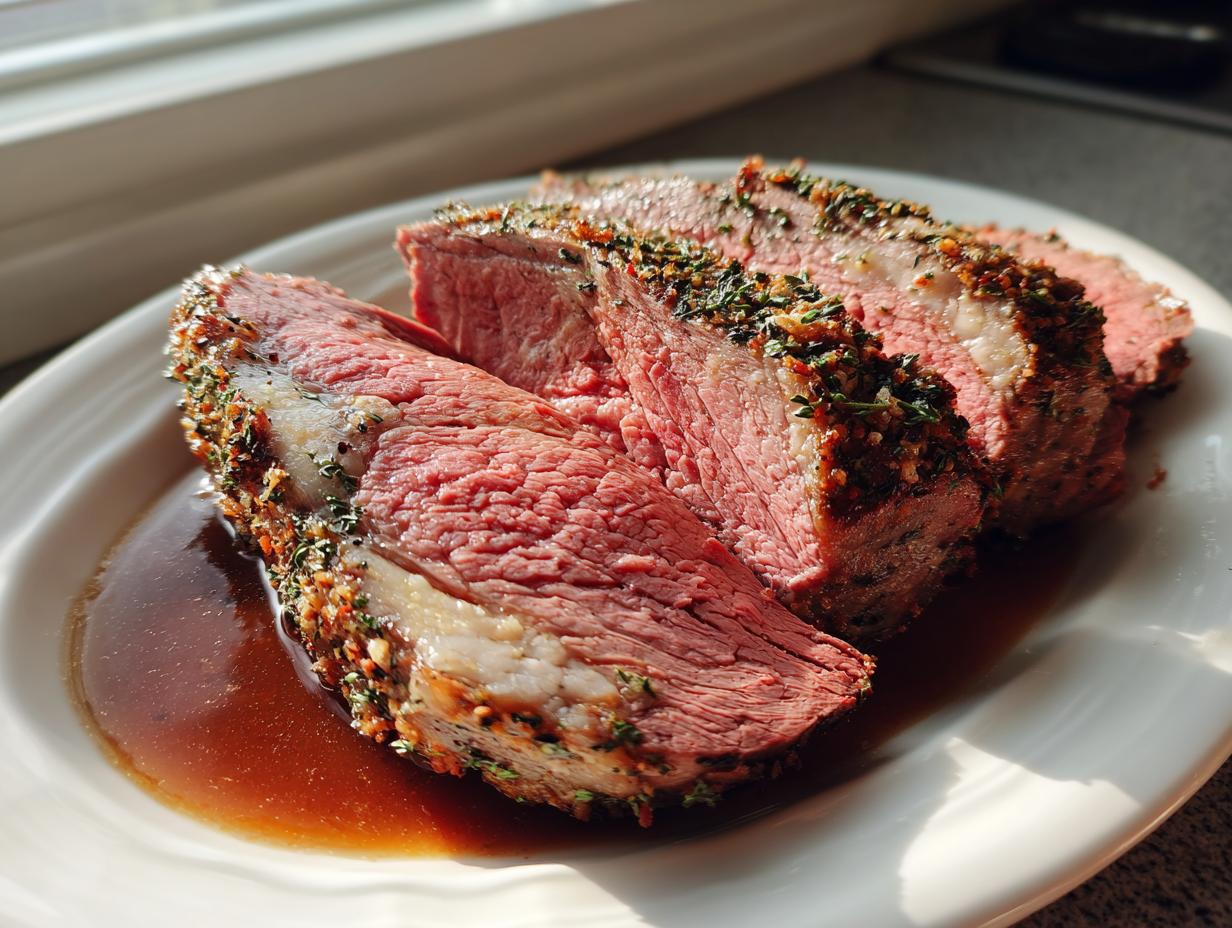
If you’re staring down a gorgeous, expensive cut of beef right now, maybe for Christmas or just because you decided you deserve an incredible dinner, I totally get the nerves. That beautiful standing rib roast deserves respect! Most folks think the prime rib recipe is too fussy, but Olivia Rosewood built DelishCraze on the idea that impressive cooking should still be simple. Forget stressful, complicated methods—we’re using a tried-and-true technique that delivers restaurant quality prime rib at home every single time. Get ready for The Ultimate Fool-Proof Oven-Roasted Prime Rib with Garlic Herb Butter and Au Jus. This is the centerpiece your table has been waiting for!
- Why This prime rib recipe Delivers a Perfect Prime Rib Roast Every Time
- Essential Ingredients for Your Garlic Butter prime rib recipe
- How to Prepare the Herb Crust for the perfect prime rib roast
- Step-by-Step Standing Rib Roast Instructions for an easy oven roasted prime rib
- Making the Simple prime rib with au jus
- Tips for a Restaurant Quality prime rib at home
- Storage and Reheating Instructions for Leftover prime rib recipe
- Frequently Asked Questions about the prime rib recipe
- Estimated Nutritional Data for This prime rib recipe
Why This prime rib recipe Delivers a Perfect Prime Rib Roast Every Time
Everyone wants that perfect prime rib roast—you know, the one with the intensely flavorful, dark crust all over, but the inside is just meltingly tender and perfectly medium-rare?
The secret here isn’t about some weird, complicated equipment; it’s about chemistry and heat control. We rely on what I call the ‘500 Rule.’ We blast the roast with 500 degrees Fahrenheit for just 15 minutes to set that gorgeous, savory crust we love. That initial, high-heat sear locks everything in. Then, we drop the temperature way down to 325 degrees to gently cook the rest of the meat. This tender prime rib cooking method prevents the outside from drying out before the center is done. It’s honestly the key to a juicy roast beef recipe every time. People online talk about this method constantly, and it lives up to the hype! You can read more about the technique here if you like digging into the details.
The Importance of Room Temperature Meat for Your prime rib recipe
Now, let’s talk about patience for a second, because this matters! You absolutely cannot take this gorgeous, expensive roast straight from the fridge and throw it in the oven. If you do, you’ll end up with a band of gray, overcooked meat around the edges, and a cold center. Trust me on this: let your prime rib sit out on the counter for at least three hours before you do anything else. It needs those 3 hours to warm up evenly. This simple step is crucial to nailing the interior temperature in our prime rib recipe.
Essential Ingredients for Your Garlic Butter prime rib recipe
When you’re buying a showstopper like a prime rib, you don’t want to skimp on the supporting cast. We need quality here because this bone-in prime rib recipe deserves the best flavor! Our ingredient list isn’t long, which is part of why this is such an easy oven roasted prime rib.
You absolutely must start with a good quality, five-to-seven-pound standing rib roast—bone-in is highly recommended; those bones help insulate the meat and keep it wonderfully juicy. Other than that, it’s mostly pantry staples for our flavor bomb:
- Coarse sea salt and freshly ground black pepper—those need to be coarse!
- Dried thyme and rosemary for that classic, earthy flavor.
- Fresh garlic, minced finely—don’t try to use the jarred stuff here, please!
- Softened unsalted butter, of course.
- A little olive oil for the pan.
- And beef broth for the quick Au Jus later on.
Ingredient Notes and Substitutions for this prime rib recipe
Let’s talk specifics so you get that perfect crust. I insist on coarse sea salt and freshly ground pepper because the fine salt just dissolves too fast and will make the surface too briny. For the herbs, if you happen to have fresh rosemary and thyme, use those instead—just triple the amount and chop them up super fine! If you can only find a boneless cut, not a problem, but remember that the cooking time will be a bit shorter, so keep a close eye on that thermometer.
How to Prepare the Herb Crust for the perfect prime rib roast
This herb crust is where all that glorious flavor gets packed onto the roast before it even sees the oven. Making the garlic butter prime rib rub is so satisfying, and it fills the kitchen with the best aroma! You’ll basically be mixing that softened butter with the salt, pepper, rosemary, thyme, and all that gorgeous minced garlic.
Here’s a little tip from my own kitchen experiments: make sure that butter is actually soft, not melty! If it’s too warm, it gets oily and just slides right off the beef when you try to apply it. I usually leave mine out on the counter for ages, and if I’m in a rush, I microwave it for just five seconds—but you have to stir it immediately after. You want a paste you can really work into every nook and cranny of your perfect prime rib roast. When you spread this mixture evenly over the entire roast, you know you’re in for something spectacular. Check out how they do a similar version over here, but don’t forget to try my method for the perfect spread!
If you need a quick way to whip up any herb butter blend in the future, I swear by my four-ingredient spread guide. It really makes rubbing anything down quick!
Step-by-Step Standing Rib Roast Instructions for an easy oven roasted prime rib
Okay, the oven is hot, the roast is slathered in herbaceous goodness—now we start the magic for this easy oven roasted prime rib. First things first, crank that oven up to 500 degrees Fahrenheit! We need that initial blast of heat to get the outside of the beef nice and crusty, which helps keep all the juice inside where we want it. Pat your roast totally dry first; trust me, dry meat browns way better!
Place that beautiful roast fat-side up on the rack in your pan. Pop it in the 500-degree heat and roast for exactly 15 minutes. Not 16, not 14—fifteen! After that sear time is up, reduce the heat immediately to 325 degrees Fahrenheit. This is where the slow cook begins. The most important piece of advice for any prime rib recipe is this: throw out the clock and trust your thermometer. If you don’t have a reliable meat thermometer, you are basically making dinner blindfolded!
Keep it in the oven until it hits that perfect internal temperature. If you’re aiming for that unforgettable, tender result, you’ll need to check the thickest part of the meat constantly. If you skip this, you risk ending up with dry roast beef. For all the cooking tips on nailing this method, you can check out these folks who really break down the oven technique right here.
Achieving Medium Rare: How to cook prime rib medium rare
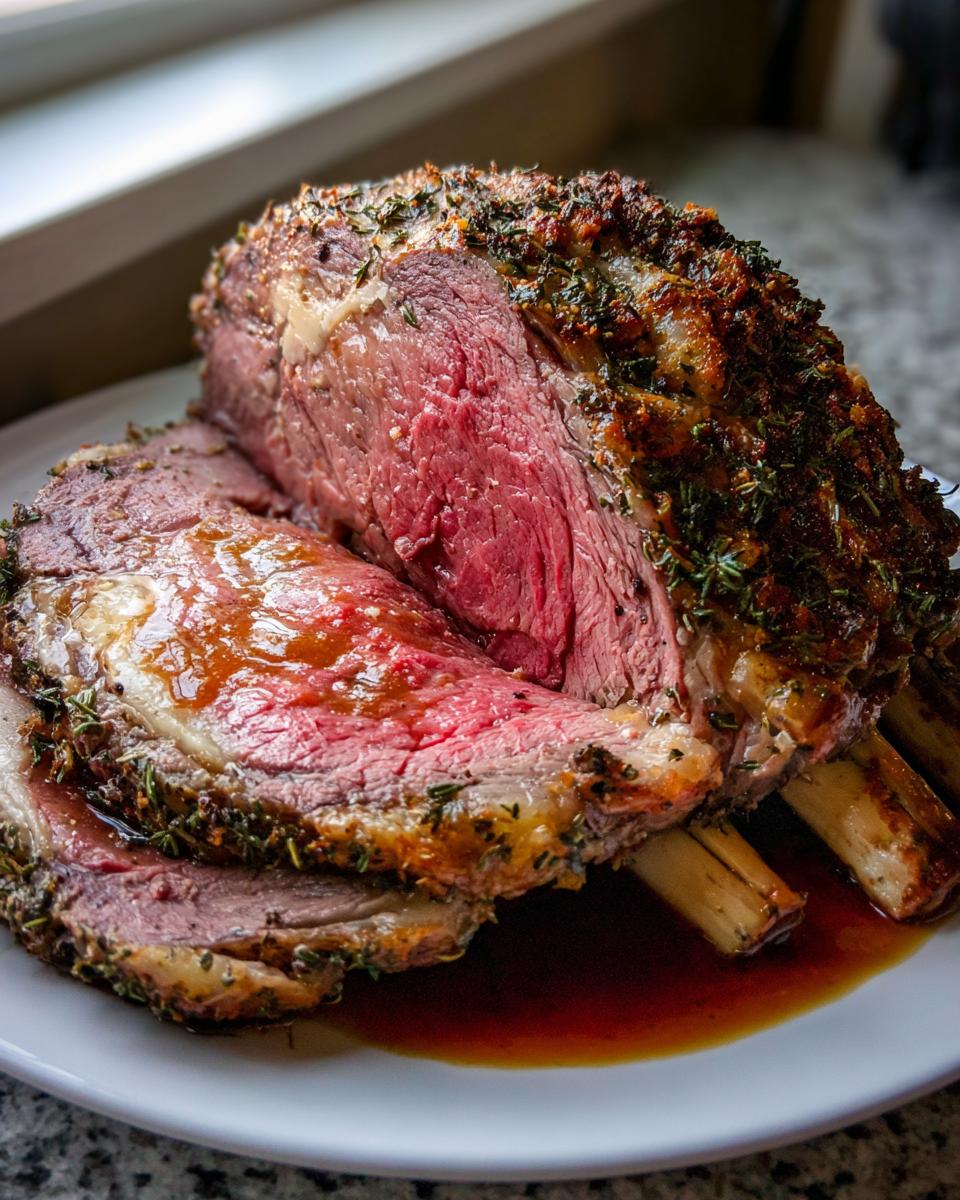
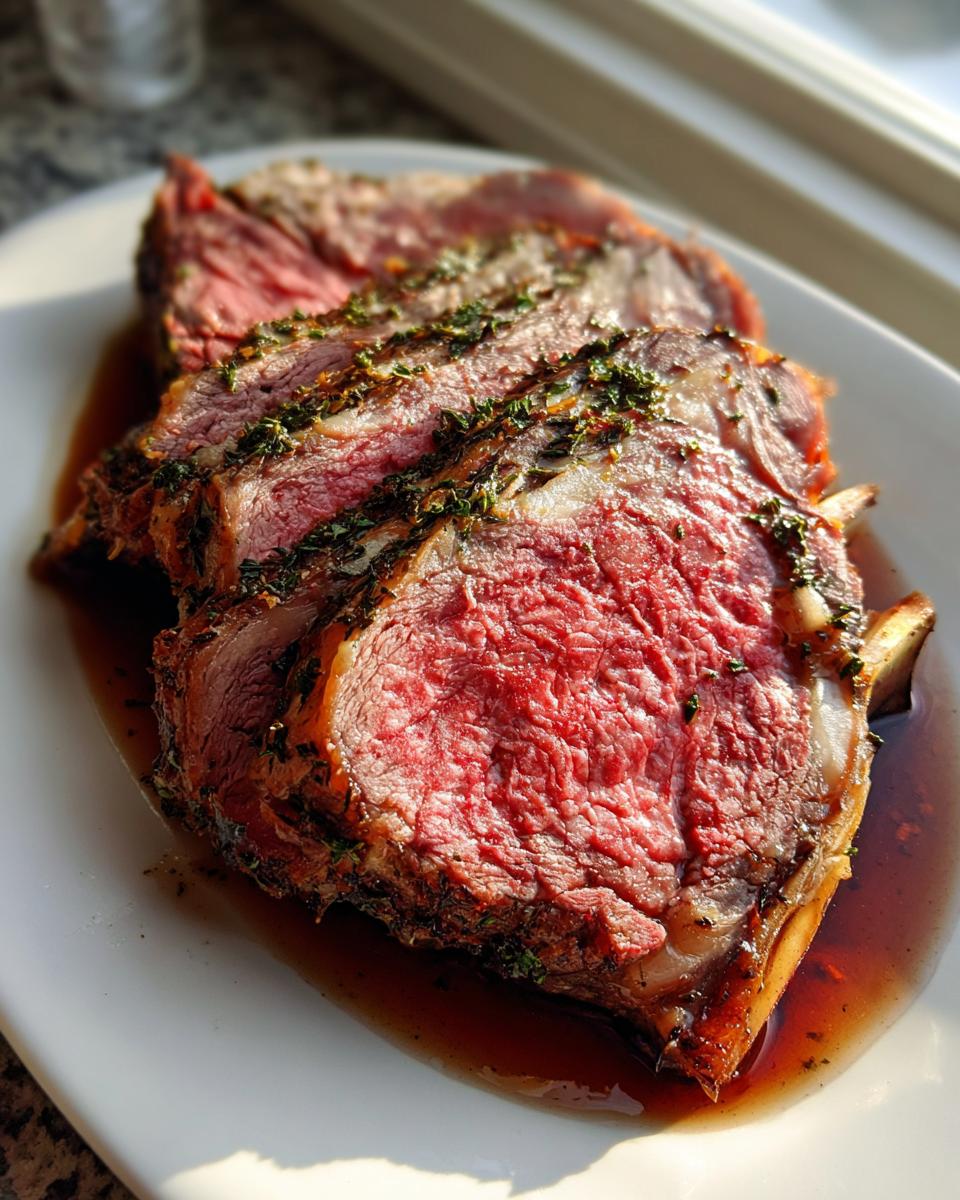
For that luscious, pink center that makes this roast famous, you are pulling it out when the thermometer reads 125 to 130 degrees Fahrenheit. Remember the carryover cooking! While the roast rests outside the oven, the internal temperature is going to climb another five to ten degrees. If you wait until it hits 135 degrees in the oven, you’ll have a fully medium roast when you slice it. We always pull it early to guarantee that perfect medium rare finish.
The Crucial Rest Period for Your prime rib recipe
Once you pull that stunning roast out of the oven, you need to cover it loosely with foil and leave it alone for a minimum of 20 minutes. Twenty minutes! I know it’s hard when the smell is driving you crazy, but this resting phase is non-negotiable. If you slice it right away, all those beautiful, hot juices will rush right out onto the cutting board. Resting lets the juices redistribute back through the meat fibers, guaranteeing every single slice is tender and completely moist.
Keep those drippings handy, though; we need them for the best gravy! If you want a head start on making a rich gravy from your drippings later on, I always lean on my foolproof gravy guide.
Making the Simple prime rib with au jus
The roast is resting, but we aren’t done yet! We have all those amazing brown bits—the fond—stuck to the bottom of the roasting pan, and that’s pure liquid gold for flavor. This simple prime rib with au jus takes literally ten minutes and elevates the whole meal from great to absolutely restaurant-worthy.
First, carefully pour off most of the excess fat from the roasting pan. You want the browned bits, but not a giant layer of solid fat sitting on top. Transfer the remaining drippings into a small saucepan over medium heat. Toss in your beef broth and those chopped onions. We’re just letting this simmer gently for about five to ten minutes. You should use a wooden spoon to scrape up all those caramelized bits clinging to the bottom while it simmers. That’s where deep, rich flavor lives!
Once it smells amazing and has reduced just slightly, strain that liquid through a fine-mesh sieve to get rid of any chunks. That’s it! You have a gorgeous, savory au jus ready to go. It’s the perfect, light contrast to the richness of the beef. The folks who have mastered this process over at this site also have great insight on keeping the au jus light and balanced.
Tips for a Restaurant Quality prime rib at home
You’ve roasted it perfectly, you’ve rested it properly—now we just need to finish this masterpiece strong so it truly looks like an impressive beef roast recipe you ordered out!
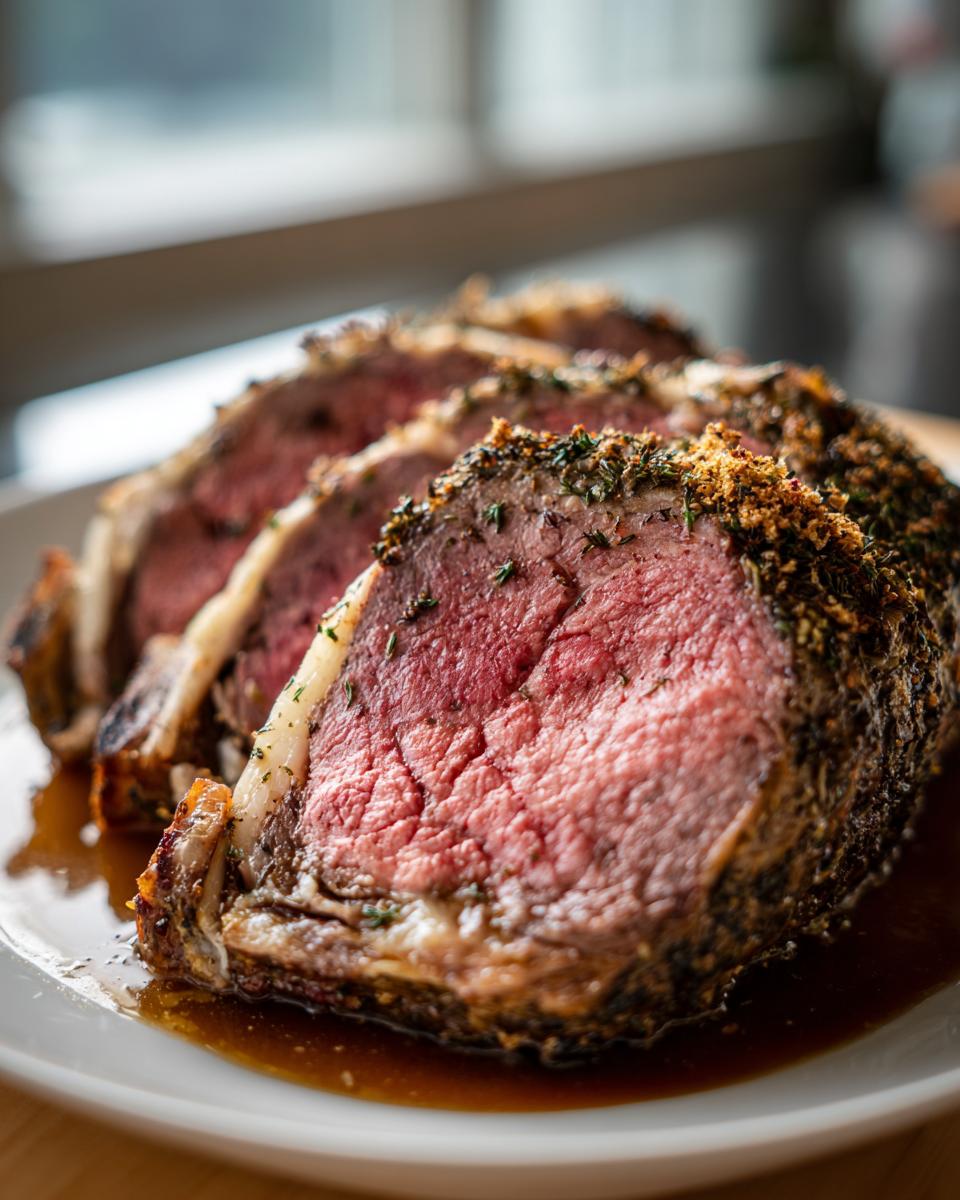
The easiest way to elevate this is how you slice it. Always, always slice your prime rib against the grain. If you slice with the grain, you are cutting through those long muscle fibers, and no matter how juicy it is, it’ll end up tasting slightly chewy. Slice thinly, against the direction of the muscle naturally runs. Knowing how to carve correctly makes a huge difference in the final bite!
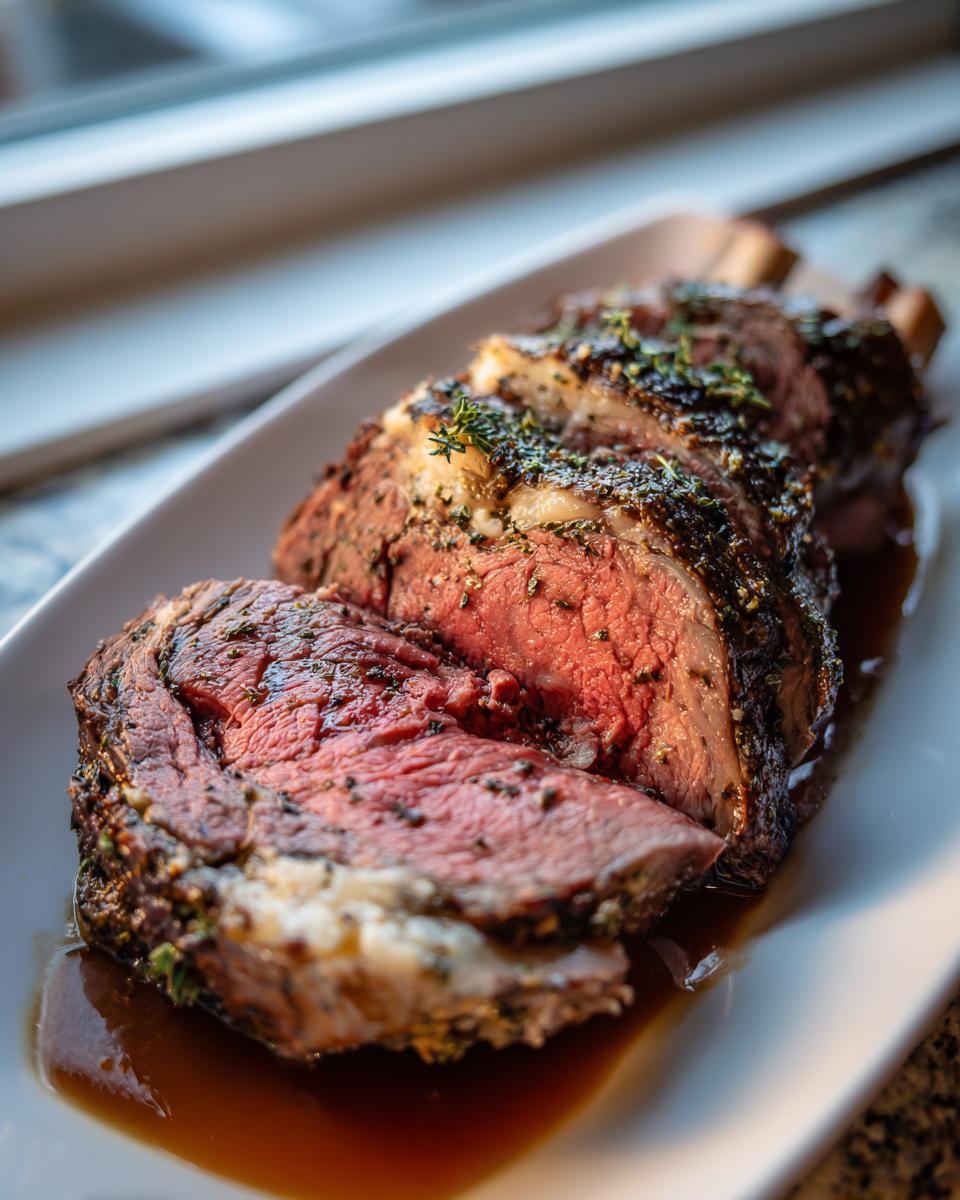
And remember that crust we worked so hard to create with that initial 500 burst of heat? If, for some reason, yours didn’t get as dark and crisp as you hoped, don’t stress! You can finish it off right before serving. Just move your roast to an oven-safe platter, put it under a high broiler for just one or two minutes. Watch it like a hawk! You don’t want to burn the herb rub, but a quick blast will give you that shatteringly crisp exterior you dream about. If you want the absolute best tips on getting that perfect texture, this recipe resource has some wonderful ideas. I also have some great pointers on how to keep other meats tender, like in my juicy burger guide that rely on similar resting principles!
Storage and Reheating Instructions for Leftover prime rib recipe
Oh, leftovers! Don’t you just love having perfectly cooked roast beef waiting for you the next day? If you managed to have any of this incredible prime rib recipe leftover, storage is simple, but reheating takes finesse if you want to keep that tenderness.
First, slice whatever you’re keeping thinly against the grain—I usually leave the main roast whole until the next day and only slice what I’m serving. Store the slices in an airtight container in the fridge for up to four days. When you reheat, please don’t just microwave the slices dry! That’s criminal.
The absolute best way to reheat is to put the thin slices into a shallow baking dish, pour just a splash of that leftover au jus or some plain beef broth over the bottom, cover the dish tightly with foil, and heat it low and slow—maybe 300 degrees Fahrenheit—until it’s warmed through. This keeps your roast beef impossibly moist.
Frequently Asked Questions about the prime rib recipe
It’s totally normal to have questions when you’re cooking something this magnificent! I’ve gathered the top concerns I always hear about making the best prime rib recipe so you can bake with total confidence this holiday season.
Can I use a boneless roast for this prime rib recipe?
Yes, you absolutely can swap out the bone-in prime rib recipe for a boneless one! Just keep in mind that the bone is a great insulator. Without it, less material is protecting the meat right next to it, so your cooking time will be noticeably shorter. You should check the temperature about 10 to 15 minutes sooner than you would for a bone-in roast to avoid overcooking that beautiful meat.
What is the best internal temperature for a juicy roast beef recipe?
To guarantee that incredible, melt-in-your-mouth texture that defines a juicy roast beef recipe, you must focus on internal temperature, not time! For that perfect, rosy, medium-rare result, you need to pull the roast out of the oven when your thermometer reads between 125 and 130 degrees Fahrenheit. It will keep cooking while it rests, which is exactly what we want for the best results!
Estimated Nutritional Data for This prime rib recipe
Now, I know some of you folks are tracking macros, and while a prime rib roast isn’t exactly a light salad, knowing what’s in that glorious slice can be super helpful! Based on our ingredient list (assuming an average cut weight and an 8-serving yield), here’s a general breakdown of what you can expect per serving of this prime rib recipe when paired with a little bit of that au jus.
- Calories: Around 450
- Fat: About 30g (Remember, a lot of this is the natural marbling that makes it so flavorful!)
- Protein: A whopping 40g
- Carbohydrates: Barely anything, just 1g
Please know that these numbers are just estimates, honey. If you use a leaner cut, trim more of the cap fat, or even adjust how much of the au jus you drizzle on top, those numbers will shift. But hey, for a holiday centerpiece, I think the flavor payoff is totally worth it!
PrintThe Ultimate Fool-Proof Oven-Roasted Prime Rib with Garlic Herb Butter and Au Jus
Create a restaurant-quality, juicy, and tender prime rib roast every time using this simple oven method. This recipe features a flavorful garlic herb crust and includes instructions for making a simple au jus.
- Prep Time: 20 min
- Cook Time: 2 hr 30 min
- Total Time: 3 hr 10 min
- Yield: 8 servings 1x
- Category: Main Course
- Method: Oven Roasting
- Cuisine: American
- Diet: Low Fat
Ingredients
- 1 (5-7 pound) bone-in prime rib roast (standing rib roast)
- 3 tablespoons coarse sea salt
- 2 tablespoons freshly ground black pepper
- 1 tablespoon dried thyme
- 1 tablespoon dried rosemary
- 6 cloves garlic, minced
- 1/2 cup unsalted butter, softened
- 1 tablespoon olive oil
- 2 cups beef broth (for au jus)
- 1 small yellow onion, roughly chopped (for au jus)
Instructions
- Remove the prime rib roast from the refrigerator at least 3 hours before cooking to allow it to come to room temperature. Preheat your oven to 500 degrees Fahrenheit.
- Pat the roast completely dry with paper towels. This helps create a good crust.
- In a small bowl, combine the softened butter, minced garlic, thyme, rosemary, salt, and pepper to create the herb butter rub.
- Rub the herb butter mixture evenly over the entire surface of the prime rib roast.
- Place the roast, fat side up, in a roasting pan fitted with a rack. Drizzle the olive oil over the top.
- Place the roast in the 500 degree Fahrenheit oven and roast for exactly 15 minutes. This high heat sear creates the crust.
- After 15 minutes, reduce the oven temperature to 325 degrees Fahrenheit. Do not open the oven door.
- Continue roasting until the internal temperature reaches your desired doneness. Use a meat thermometer inserted into the thickest part of the roast, avoiding the bone. For medium-rare, aim for 125-130 degrees Fahrenheit. This typically takes about 13-15 minutes per pound at 325 degrees Fahrenheit after the initial sear.
- Once the roast reaches the target temperature, immediately remove it from the oven. Tent it loosely with foil and let it rest for at least 20 minutes before slicing. The temperature will rise another 5-10 degrees during resting.
- While the roast rests, prepare the au jus. Place the roasting pan drippings (leaving excess fat behind if desired) into a saucepan over medium heat. Add the beef broth and chopped onion. Bring to a simmer and cook for 5-10 minutes, scraping up any browned bits from the bottom of the pan. Strain the liquid before serving.
- Slice the prime rib against the grain and serve immediately with the warm au jus.
Notes
- For a bone-in roast, the bone acts as insulation; you may need to add 5-10 minutes per pound to the cooking time compared to a boneless roast.
- If you prefer a crispier crust, you can place the roast under the broiler for 1-2 minutes at the very end, watching closely to prevent burning.
- Always use a reliable meat thermometer; cooking times are estimates, but internal temperature guarantees perfection.
Nutrition
- Serving Size: 6 oz cooked meat
- Calories: 450
- Sugar: 0
- Sodium: 350
- Fat: 30
- Saturated Fat: 15
- Unsaturated Fat: 15
- Trans Fat: 0
- Carbohydrates: 1
- Fiber: 0
- Protein: 40
- Cholesterol: 150