

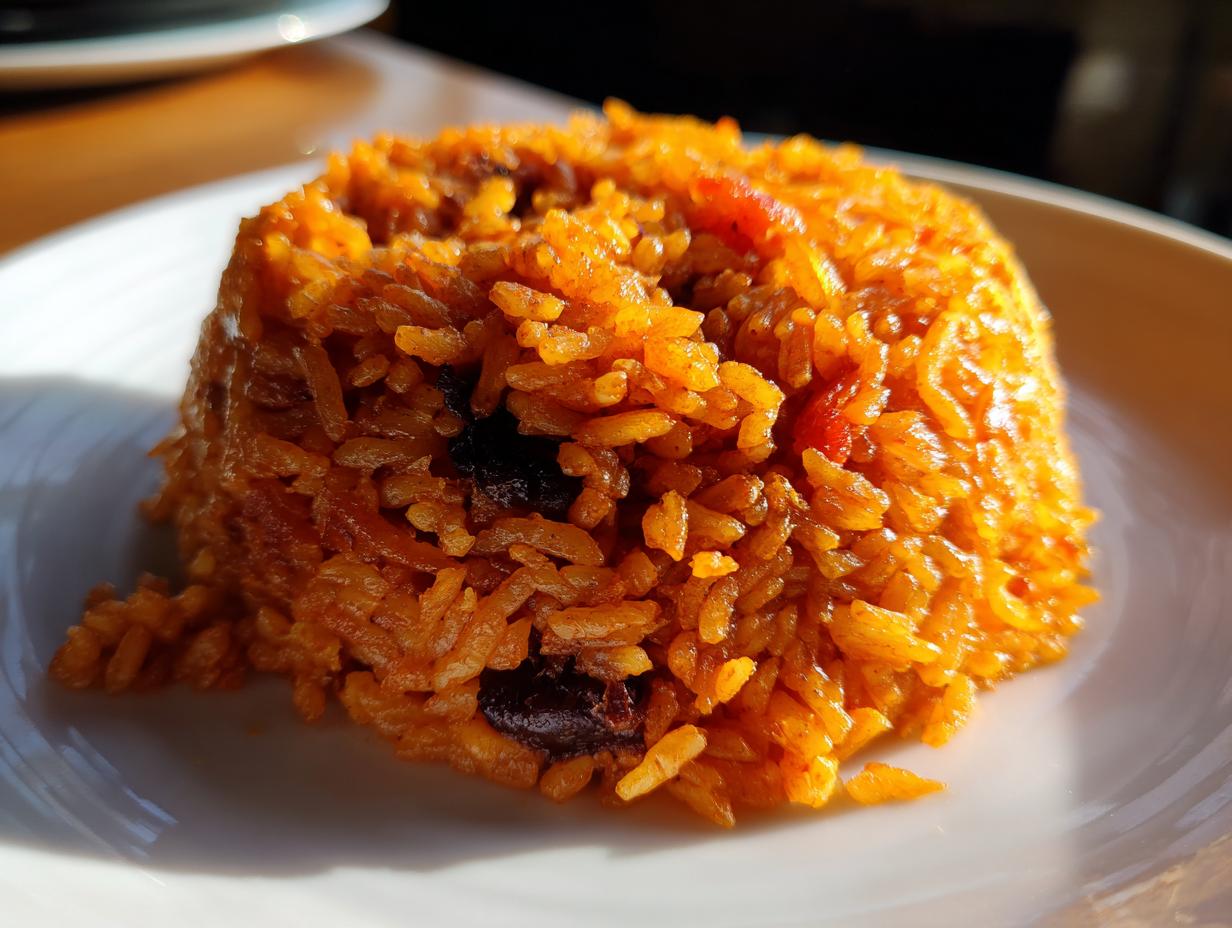
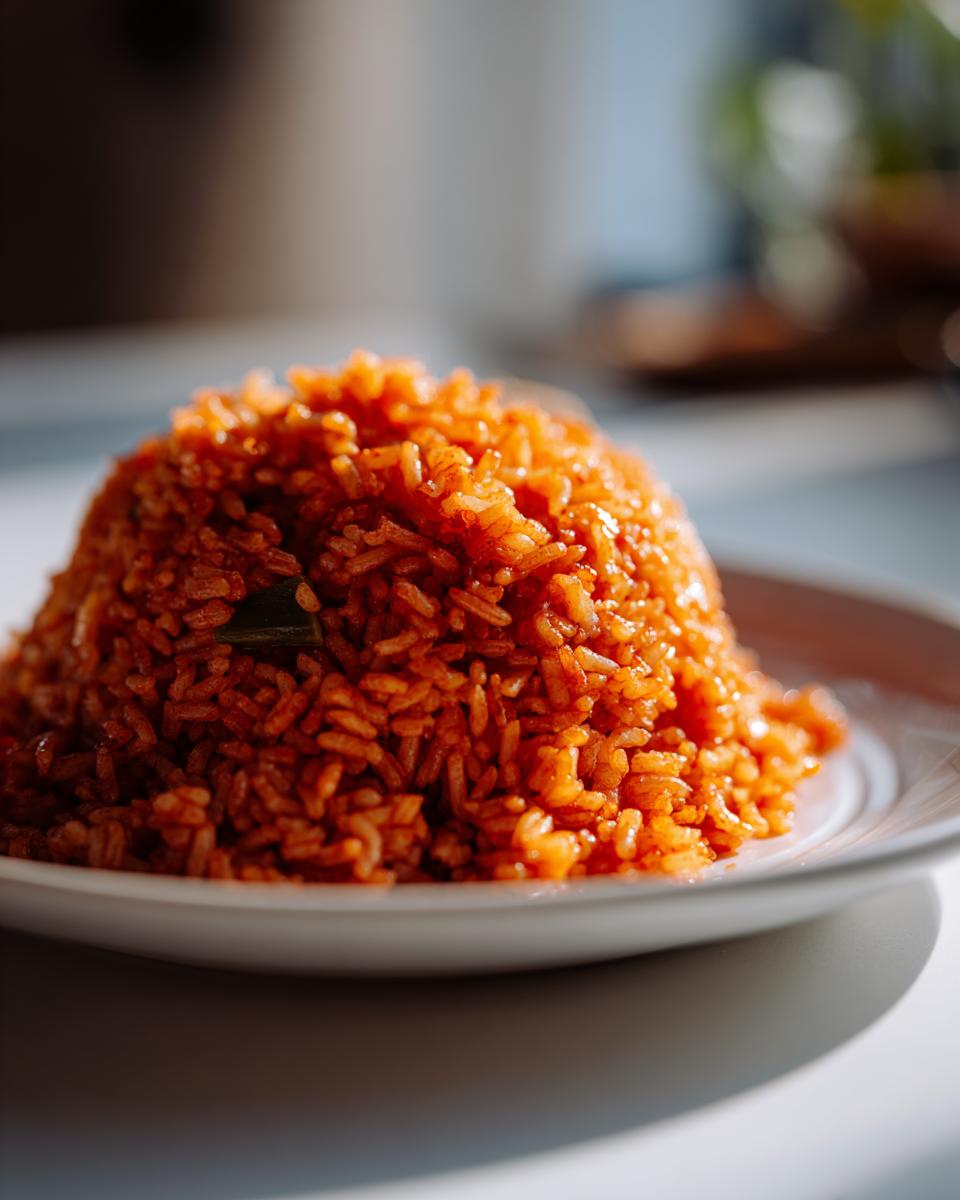
There’s just something magical that happens when rice and tomato stew meet over heat, isn’t there? If you’ve ever dreamed of bringing that incredible, vibrant color and that authentic, slightly smoky aroma right into your own kitchen, you’ve come to the right place. Forget dry, sad rice; my goal today is to walk you through making the absolute best, authentic smoky jollof rice that is totally beginner-friendly. For me, this West African Rice Dish isn’t just food; it’s the centerpiece of every happy memory, the dish we always bring out when the family gathers for a celebration. Trust me, once you nail this foundational recipe, it will become a staple in your home too—it’s wonderful for those big parties or even just a really special Tuesday dinner, making it one of my go-to quick and easy weeknight dinners.
- Why This Authentic Jollof Recipe Guarantees Party Rice Success
- Gathering Ingredients for Smoky Jollof Rice
- The Flavor Base: Creating the Perfect Rice cooked in Tomato Stew
- How to Prepare Jollof Rice: The One Pot Cooking Method
- Tips for Success with Your Nigerian Jollof Rice Tutorial
- Serving Suggestions for this Vibrant Dinner Idea
- Storage and Reheating Instructions for Leftover Jollof Rice
- Frequently Asked Questions About Making Jollof Rice
- Estimated Nutritional Data for This Comfort Food Rice
Why This Authentic Jollof Recipe Guarantees Party Rice Success
So, why should you trust my method for making this amazing jollof rice? It all comes down to layering flavor and choosing the right grain. We focus heavily on creating that deep, rich base stew first—that’s where 90% of the magic happens! You have to spend time frying down the tomato paste until it gets dark; trust me, don’t rush that step or your color will be pale!
Also, we are using parboiled long-grain rice here. This is non-negotiable for a successful Authentic Jollof Recipe. Parboiled rice holds its shape beautifully, preventing that mushy texture that can ruin a big batch. Following these steps ensures every grain is separate, fluffy, and packed with flavor—exactly what you need for a show-stopping Party Rice Recipe. You can even check out how I handle building flavor in my BBQ sauce; it’s the same slow, intentional concept!
Gathering Ingredients for Smoky Jollof Rice
Alright, let’s talk about what you need to pull this legendary jollof rice together. This isn’t a recipe where you can just throw things in and hope for the best; the success of this flavorful tomato rice hinges on the quality and type of ingredients you start with. Don’t skimp on the fresh stuff—it makes all the difference!
Here is what you need to gather for about six generous servings of this incredibly vibrant dish:
- 3 cups parboiled long-grain rice
- 1/4 cup vegetable oil
- 1 large onion, chopped
- 1 red bell pepper
- 3 scotch bonnet peppers (make sure you adjust this depending on how spicy you like your meals!
- 4 medium ripe tomatoes
- 1/2 cup tomato paste
- 4 cups chicken or vegetable stock (This is super important for flavor, so please use the best stock you can find!)
- 2 teaspoons dried thyme
- 1 teaspoon curry powder
- 2 bay leaves
- 1 teaspoon salt (or to taste, you’ll check this later!)
- 1/2 teaspoon ground black pepper
- 1 bouillon cube (crushed)
- 1 tablespoon butter (optional, for a lovely finish right at the end)
Ingredient Notes and Substitutions for Nigerian Jollof Rice
I know sourcing ingredients can sometimes be tricky, but I have a few pointers for this Nigerian Jollof Rice specifically. First, the rice: you absolutely must use parboiled long-grain rice or Basmati. If you use standard short-grain rice, you might end up with porridge instead of perfect grains. Parboiled grains resist sogginess—it’s just physics!
Now for the heat! Those scotch bonnets are the traditional choice for that deep, wonderful heat. If you are sensitive, start with just one or two, or substitute half the amount with milder red chilies. But remember, the heat balances the richness of the tomato base. And one last time, please, use homemade or high-quality stock if possible. That liquid is what carries the flavor into every single grain of rice, turning it into that irresistible flavorful tomato rice we all crave.
If you’re looking for other rice inspiration while you’re at the store, you might enjoy my recipe for Cilantro Lime Rice—it’s completely different, but just as satisfying!
The Flavor Base: Creating the Perfect Rice cooked in Tomato Stew
Okay, this next step is where we take simple blending and turn it into something extraordinary. This is the secret sauce, the foundation that separates mediocre rice from the kind of jollof rice that people talk about for weeks! First, you want to toss your bell pepper, those fiery scotch bonnets, and your tomatoes into the blender. Blitz them until they are beautifully smooth—we want no big chunks floating around in the final dish.
Now, grab your largest, heaviest pot—the one that holds heat well. Pour in your oil and let it get nice and warm. Toss in your chopped onions until they soften up and smell sweet. The crucial moment comes next: add your tomato paste. You need to fry this paste, stirring constantly, for about five full minutes until it turns a shade darker, almost brick red. If you skip this, your final dish will look bright red but taste flat. Trust me on this; frying the paste removes that raw, tinny flavor!
Once the paste is happy, pour in your blended pepper mixture. Add all those gorgeous spices—the thyme, curry powder, bay leaves, salt, pepper, and that crushed bouillon cube. Stir it all together until it looks like bubbling, spicy treasure. Let this simmer uncovered on medium-low heat for about 15 to 20 minutes. This allows the liquid to reduce down and concentrate the flavor. We are building depth here, making sure that when we add the rice later, it has a complex, rich flavor profile. If you want to see another example of building deep flavor in a simple pot, check out my process for vegetable beef soup—same principle, different cuisine!
When the stew has visibly thickened, it’s ready for liquid. Pour in your stock and bring it to a rolling boil. This is your moment to taste the broth! Does it taste slightly too salty or intensely flavorful? Good! Remember, the rice will soak up that flavor, so it should taste slightly stronger than you think it needs right now. For more inspiration on bold techniques, be sure to check out the tips over at Home Cooking Live.
How to Prepare Jollof Rice: The One Pot Cooking Method
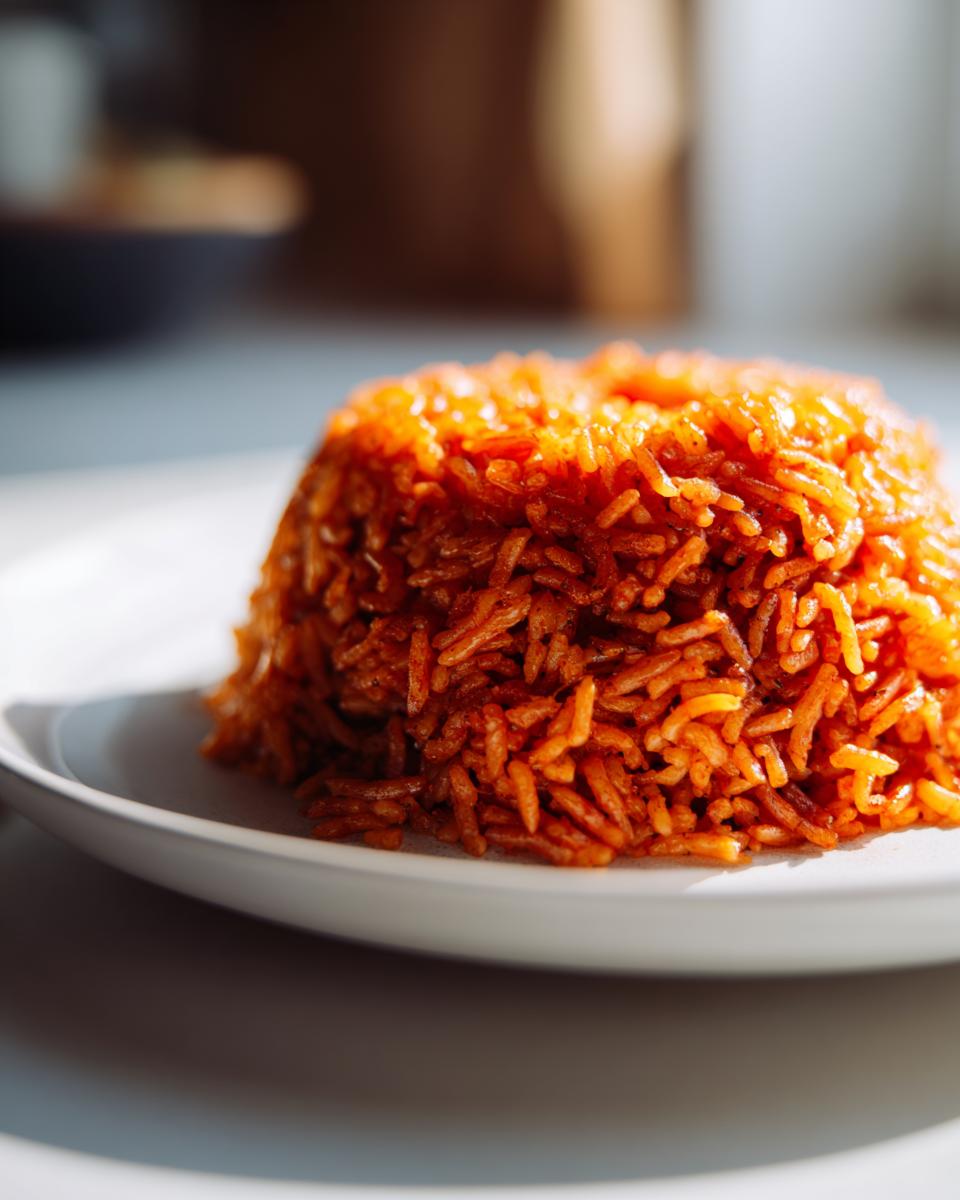
Now that we have our rich, bubbling stew base simmering away, we move into the actual cooking of the rice, and this is where precision really matters for becoming a confident cook. Remember how I talked about this being the best Jollof Rice methods? Well, the next few minutes change everything! Make sure your rice is washed well—the water should run clear. Pour that clean rice right into your boiling stock mixture and stir it just gently enough to ensure every grain is coated in the delicious tomato mixture. You don’t want to over-stir, or you’ll release too much starch, and nobody wants sticky rice!
Once everything is mixed, turn your heat way, way down—we need the lowest setting on your burner. This is a ‘low and slow’ situation from here on out. This next part is my non-negotiable trick for getting that perfect texture: take a large sheet of aluminum foil, lay it directly over the pot opening, and then seal it tightly with the lid. That foil traps every single molecule of steam, basically steaming the rice perfectly in the base. No peeking! Let it cook completely undisturbed for about 25 to 35 minutes. This simple setup is what makes it such a fantastic one-pot cooking miracle.
Technique for Achieving Smoky Jollof Rice Flavor
Once you lift that foil lid, your rice should be nearly done—tender, but maybe just a touch wet. This is the moment we go for that coveted, deep, slightly burnt flavor that makes everyone ask, “Did you cook this outside?” Turn the heat up slightly, remove the foil, but leave the lid on top. We are gently encouraging the bottom layer of rice to kiss the bottom of the pot without fully burning. Watch it like a hawk! You only need about three to five minutes until you catch that unmistakable aroma of Smoky Jollof Rice.
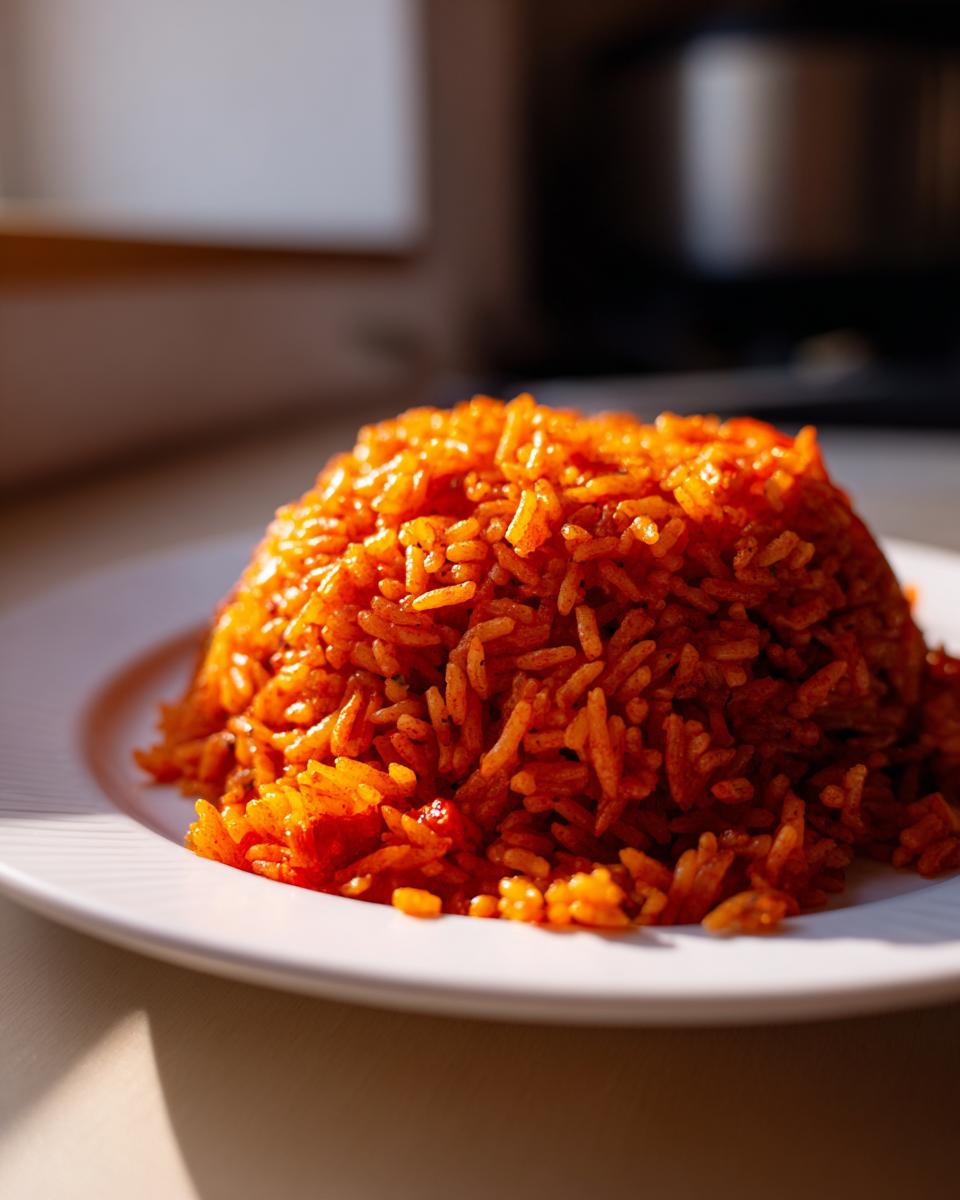
If you are worried about it sticking too much, you can slide that foil sheet directly onto the rice before putting the lid on top; it acts as a shield while still allowing steam to circulate. After those few minutes of intentional heat, turn the burner completely off. Stir in that optional tablespoon of butter for shine, put the lid back on, and let the whole thing rest for ten minutes—that steaming time brings everything together perfectly. For more insight into getting that gorgeous result, you can check out the detailed steps on achieving deep flavor over on Anuri’s Journey.
Tips for Success with Your Nigerian Jollof Rice Tutorial
Look, I know the process of making perfect rice can feel intimidating if you’re just starting out with this incredible jollof rice dish. But remember what I always say about baking? It’s about confidence! I’ve compiled a few of my best secrets—my official Olivia’s Pro Tips—from years of fiddling with this recipe to ensure your results are always delicious, never disappointing.
First up, let’s reaffirm the washing of the rice. I know it feels tedious, and you might be tempted to skip it to save time, especially on a busy night. Don’t! Washing off that excess surface starch is the single most effective thing you can do to prevent mushiness. Wash it until the water runs almost completely clear. You’re aiming for fluffy, separate grains, not a thick, unified mass!
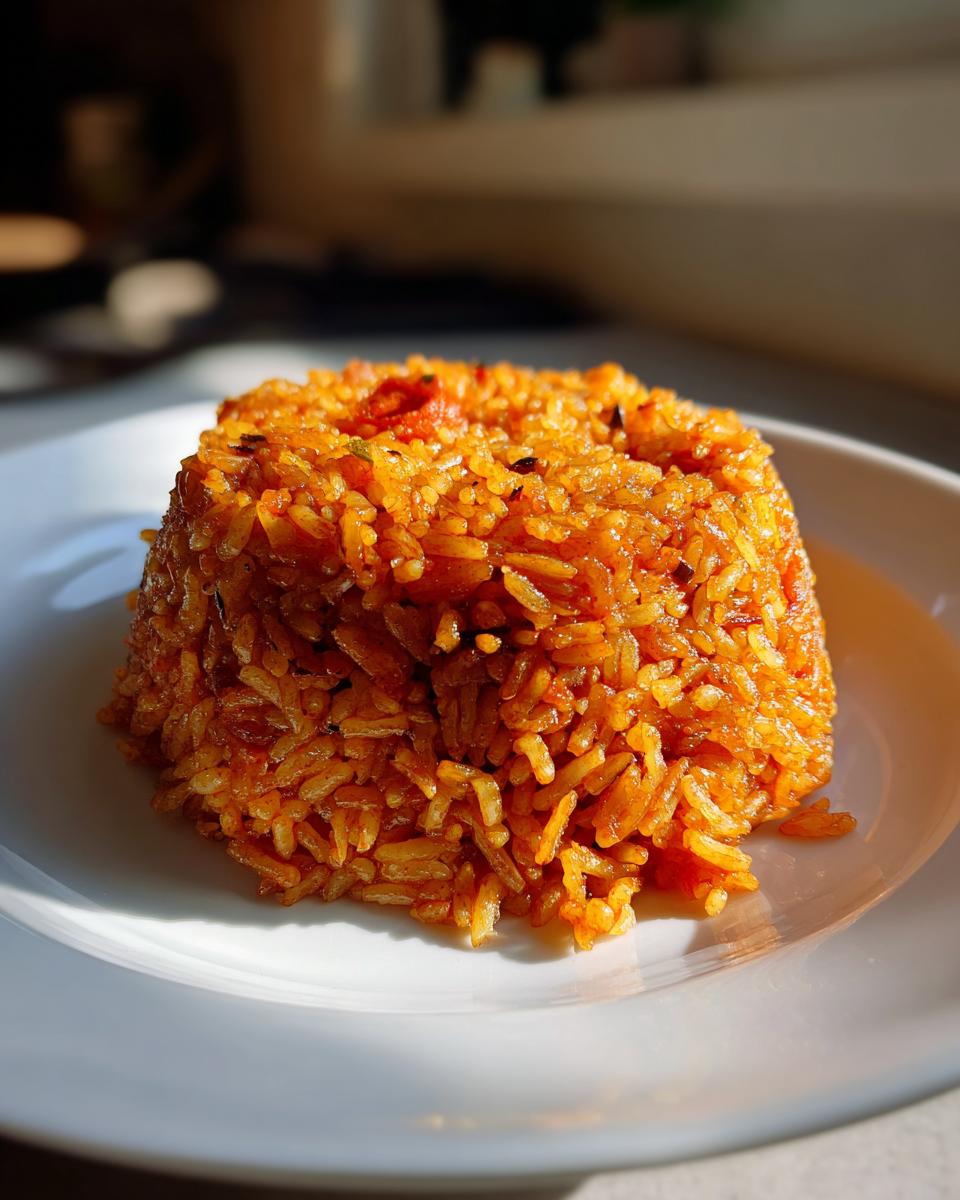
My next big tip relates to heat control right at the end. That last steaming period—after you’ve turned the heat off—is non-negotiable. Once cooking is complete (after you’ve achieved that lovely bit of smoke!), turn the burner off completely, keep the pot sealed with the foil and the lid, and just let it sit there for a full ten minutes. This resting period allows the residual steam to finish cooking the grains evenly without any risk of burning them. It’s total insurance for your Nigerian Jollof Rice Tutorial success. This resting step is just as important as the initial simmering of the base!
If you’re looking for other recipes where precise timing makes all the difference, you should take a peek at how I handle my apple crisp; patience truly pays off there, too! And if you want another popular perspective on getting this dish just right, check out this guide over at Mushroom Salus.
Serving Suggestions for this Vibrant Dinner Idea
This amazing jollof rice is so flavorful on its own, but honestly, what’s a party without the sides? This vibrant dish is meant to be shared, and I love mixing up the textures and temperatures alongside it. It truly transforms into a full feast when you add the right accompaniments.
The most classic pairing, and my personal favorite, has to be Jollof Rice with Chicken. Whether you grill it, fry it, or bake it, the savory meat alongside the spiced rice is just perfection. Another mandatory addition for any dinner inspired by West African flavors is fried plantains—you know, those sweet, caramelized pieces that get crispy on the edges? They offer that necessary sweet counterpoint to the savory, slightly spicy nature of the rice.
If you’re serving this as part of a bigger spread, a simple, crisp side salad or a creamy coleslaw cuts through the richness beautifully. It’s all about balance, right? If you’re looking for another recipe that brings some crispy goodness to the table, you absolutely must try my Bang Bang Chicken—it’s sweet, spicy, and fantastic next to this rice dish!
Storage and Reheating Instructions for Leftover Jollof Rice
Oh, the beautiful torture of having leftovers of this amazing jollof rice! Seriously, if you’re lucky enough to have any left over—because this stuff disappears fast—you’ll want to store it correctly so it tastes just as good the next day. Since this is a truly complex comfort food rice, we need to treat the leftovers with a little bit of respect!
The absolute best way to store it is in a shallow, airtight container. Don’t try to cram a giant mountain of rice into one deep container; a shallower dish lets it cool down faster, which is important for food safety. You want to cool it on the counter for maybe 30 minutes max, and then seal it up and get it into the fridge. It should stay perfectly good in there for about three to four days. If you need longer, you can definitely freeze it, but I find the texture is just a tiny bit better when eaten within a few days.
Reheating is where a lot of people accidentally dry out their beautiful rice cooked in tomato stew, and we can’t have that! The secret is one word: steam. If you’re using the microwave, put your portion in a microwave-safe bowl, add maybe a tablespoon of water or stock—just a splash—and cover it tightly with a damp paper towel before nuking it for a minute or two. That moisture keeps the grains soft.
If you have time, the stovetop is even better. Gently warm your rice in a pot over very, very low heat. Again, add just a tiny bit of stock or water around the edges, put a tight lid on, and let the gentle steam fluff those grains back up. It brings back that fresh-cooked quality beautifully. If you’re into slow-cooked meals for the future, you might love the simplicity of my slow cooker chicken stew recipe, which saves so much time!
Frequently Asked Questions About Making Jollof Rice
It’s natural to have questions when diving into a classic like this—it’s such an iconic comfort food rice and there are so many conversations online about the ‘right’ way to do it! I’m happy to clear up some of the most common things people ask me about preparing their savory, spicy African rice.
What is the main difference between Nigerian Jollof Rice and Ghanaian Jollof Rice Guide?
Oh, this is the million-dollar question, isn’t it? The rivalry is friendly, I promise! Generally, the biggest technical difference I see in my research for an Authentic Jollof Recipe centers on the rice type and the smoking intensity. Nigerian style, which this lovely recipe is, leans heavily on parboiled long-grain rice, and we really go for that deep, deliberate smoky char at the bottom—that’s the hallmark of our West African Rice Dish.
Ghanaian Jollof often favors softer, long-grain white rice and sometimes incorporates other elements like ginger or herbs into their base stew differently. Both are absolutely delicious, but if you’re aiming for that ultimate ‘party rice’ flavor, focus on that intense smokiness we built into our instructions!
Can I make this recipe without achieving the smoky flavor?
Of course! Taste is personal, right? If you are truly worried about scorching the bottom or just prefer a cleaner flavor profile for your Jollof Rice, you can absolutely skip the final three to five minutes of direct, high heat exposure. Your rice will still be wonderfully flavored from that robust stew base, beautifully colored, and perfectly cooked.
However, skipping that step means you miss out on that signature character that people immediately recognize as ‘party style.’ It will taste like fantastic, fluffy rice cooked in perfectly seasoned tomato stew, but it won’t have that addictive, slightly ashy depth. So, while you can skip it, I truly encourage you to try that little bit of intentional scorching just once!
Why is my rice coming out mushy or sticky?
This is the classic, heartbreaking flaw in any Easy One Pot Rice attempt! Nine times out of ten, it comes down to two things: either you didn’t wash your rice thoroughly enough to remove the surface starch, or you stirred the rice too much after adding it to the liquid. After you put the lid on with the foil seal, you must leave it untouched. Stirring releases starch, and starch equals gluey rice. For future batches, make sure you are using the recommended parboiled or Basmati rice for the best texture!
If you want to explore another fantastic, foolproof one-pot rice method, you should check out my recipe for Kimchi Fried Rice—it uses a different technique but still results in perfectly separate grains!
Can I make this a completely vegetarian or vegan Jollof Rice?
This is so easy to flip! If you are aiming for a vegetarian or vegan version of this Spicy African Rice, simply substitute the 4 cups of chicken or vegetable stock with a high-quality vegetable stock. That’s it! All the other ingredients—the peppers, tomatoes, spices, and paste—are completely plant-based. You can also skip the optional butter finish, or replace it with a tiny bit of refined coconut oil or vegan butter for richness.
Estimated Nutritional Data for This Comfort Food Rice
I always think it’s really helpful to have a rough idea of what’s going into the pot when we’re enjoying a big, flavorful dish like this jollof rice. Now, I want to be super clear: this is just an estimate! Since we are dealing with fresh ingredients and everyone adjusts their oil, peppers, and stock levels slightly, your actual numbers will vary. But this gives you a good baseline for this incredible comfort food rice.
Based on the recipe using the stated ingredients and yielding six generous servings, here is the approximate breakdown per serving:
- Serving Size: 1 cup cooked
- Calories: 420
- Fat: 12g
- Saturated Fat: 2g
- Unsaturated Fat: 10g
- Trans Fat: 0g
- Cholesterol: 0mg
- Sodium: 450mg (This is why you taste before you add all the salt!)
- Carbohydrates: 70g
- Fiber: 4g
- Sugar: 6g
- Protein: 8g
As you can see, this party rice recipe is mostly built on wholesome carbohydrates from the excellent parboiled rice, which keeps you feeling satisfied for hours. It’s naturally low in cholesterol and fat, especially if you use vegetable stock.
If you are looking for other meals that hit that perfect balance of flavor and nutrition, don’t forget to check out my recipe for Creamy White Chicken Chili—that one is shockingly packed with protein!
PrintAuthentic Smoky Nigerian Jollof Rice

Make this vibrant, flavorful Nigerian Jollof Rice at home. This one-pot dish uses a rich tomato and pepper base with bold spices for a satisfying meal perfect for parties or weeknights.
- Prep Time: 20 min
- Cook Time: 55 min
- Total Time: 75 min
- Yield: 6 servings 1x
- Category: Dinner
- Method: One Pot Cooking
- Cuisine: West African
- Diet: Vegetarian
Ingredients
- 3 cups parboiled long-grain rice
- 1/4 cup vegetable oil
- 1 large onion, chopped
- 1 red bell pepper
- 3 scotch bonnet peppers (adjust to your heat preference)
- 4 medium ripe tomatoes
- 1/2 cup tomato paste
- 4 cups chicken or vegetable stock
- 2 teaspoons dried thyme
- 1 teaspoon curry powder
- 2 bay leaves
- 1 teaspoon salt (or to taste)
- 1/2 teaspoon ground black pepper
- 1 bouillon cube (crushed)
- 1 tablespoon butter (optional, for finishing)
Instructions
- Prepare the pepper base: Blend the red bell pepper, scotch bonnets, and tomatoes until smooth. Set aside.
- Sauté aromatics: Heat the vegetable oil in a large, heavy-bottomed pot or Dutch oven over medium heat. Add the chopped onion and cook until softened, about 5 minutes.
- Cook the tomato paste: Stir in the tomato paste and cook for 5 minutes, stirring often, until it darkens slightly. This step deepens the flavor.
- Simmer the stew: Pour the blended pepper mixture into the pot. Add the thyme, curry powder, bay leaves, salt, black pepper, and crushed bouillon cube. Stir well. Bring the mixture to a simmer, then reduce heat to medium-low, cover, and cook for 15-20 minutes, allowing the flavors to meld and the stew to reduce slightly. This is your flavor base for the **best Jollof Rice methods**.
- Add liquid and rice: Pour in the stock. Bring the liquid to a boil. Taste the broth and adjust salt if needed. Wash the parboiled rice thoroughly until the water runs clear. Add the washed rice to the boiling stew base and stir gently to combine.
- Cook the rice: Reduce the heat to the lowest setting. Cover the pot tightly with foil before placing the lid on top. This traps the steam needed to cook the rice perfectly. Cook undisturbed for 25-35 minutes. Do not stir during this period.
- Achieve the smoke: After 25 minutes, check the rice. If it is almost done but still slightly wet, remove the lid and foil. Increase the heat slightly and allow the bottom layer of rice to scorch very lightly for 3-5 minutes to create the signature smoky flavor of **party rice recipe**. Watch carefully to prevent burning.
- Finish: Turn off the heat. Stir in the optional butter. Cover the pot again and let it steam off-heat for another 10 minutes before fluffing with a fork and serving. This **authentic Jollof recipe** pairs well with chicken.
Notes
- For the best results, use parboiled long-grain rice or Basmati rice. Avoid regular short-grain rice as it can become mushy.
- To achieve maximum smoky flavor without burning, some cooks place a piece of foil directly on top of the rice before covering with the lid.
- Serve this **spicy African rice** with fried plantains or grilled chicken for a complete meal.
Nutrition
- Serving Size: 1 cup cooked
- Calories: 420
- Sugar: 6
- Sodium: 450
- Fat: 12
- Saturated Fat: 2
- Unsaturated Fat: 10
- Trans Fat: 0
- Carbohydrates: 70
- Fiber: 4
- Protein: 8
- Cholesterol: 0