

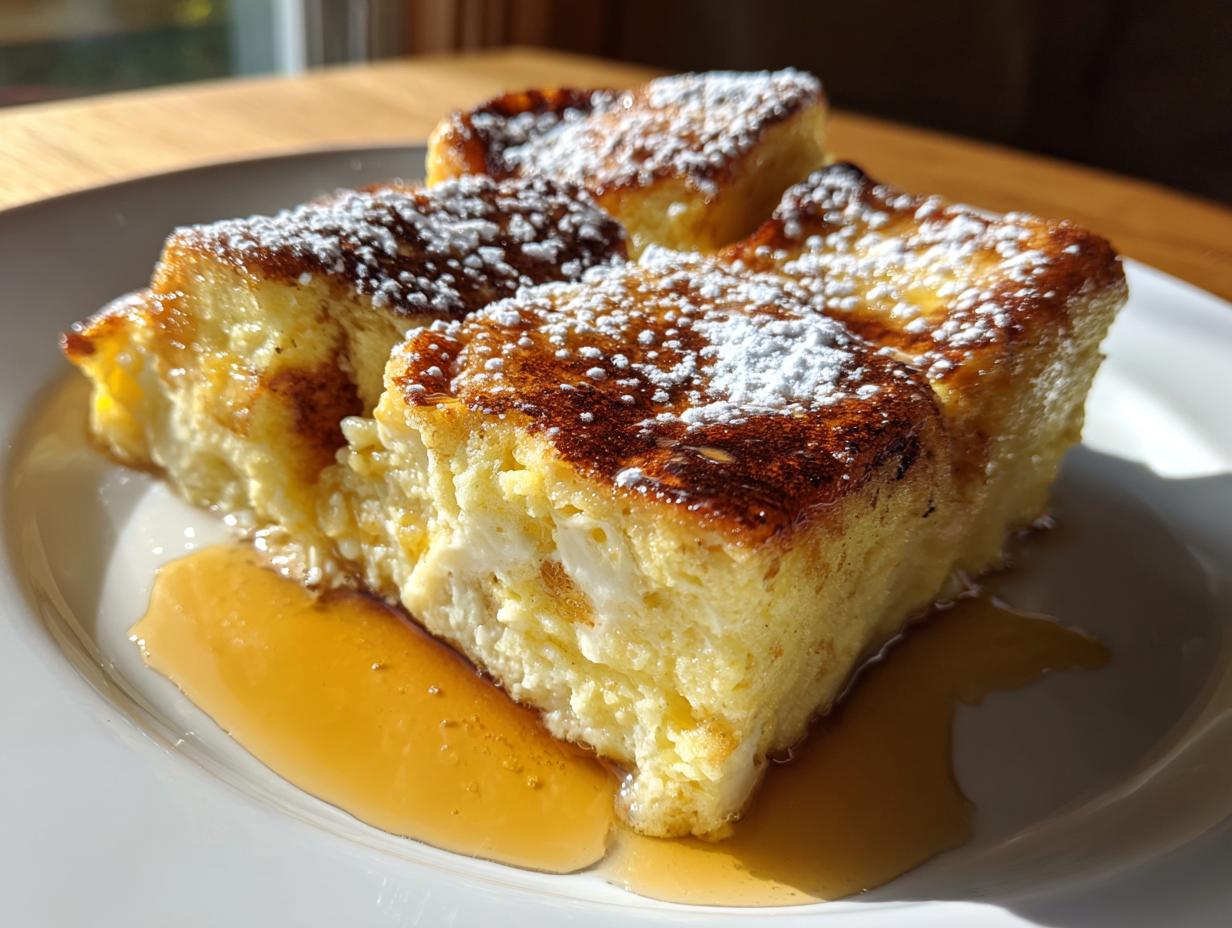
If you’ve ever stared down a Sunday morning hungry crowd, or tried to flip individual slices of French toast while your holiday guests are waiting, you know the chaos. That’s exactly why I stopped stressing and leaned completely into the magic of the baked french toast casserole. This isn’t just a recipe; it’s a strategic peace treaty for your busy weekends! Getting everyone around the table with something warm and delicious shouldn’t be complicated. This overnight bake lets you do the heavy lifting the night before, so all you have to do when the sun comes up is slide this golden comfort food into the oven. Trust me, this is the secret weapon for connection and calm mornings.
- Why This Overnight Baked French Toast Casserole Is Your New Weekend Favorite
- Gathering Ingredients for Your Homemade French Toast Casserole
- Step-by-Step Instructions for the Perfect Baked French Toast
- Expert Tips for Next-Level Cinnamon Baked French Toast Results
- Variations on Your Favorite Baked French Toast
- Serving Suggestions for Your Baked French Toast Casserole
- Storage and Reheating Instructions for Leftover Baked French Toast
- Frequently Asked Questions about Baked French Toast
- Nutritional Estimates for This Comfort Food Breakfast
Why This Overnight Baked French Toast Casserole Is Your New Weekend Favorite
Honestly, this Baked French Toast Casserole changed my approach to brunch entirely. I used to dread making French toast for more than two people—it felt like a full-time job standing at the griddle! This method turns that stressful flipping session into a relaxing moment of prep. It’s truly the ultimate Easy Make Ahead Breakfast, giving you back your mornings.
The Magic of the Overnight French Toast Bake
You simply can’t rush this process. When you prepare this as an Overnight French Toast Bake, the bread isn’t just sitting there; it’s slowly soaking up every bit of that creamy custard. This extended soak is exactly what creates that unreal, melt-in-your-mouth fluffy texture we all chase. The next morning, you just slide the fully saturated bread and custard into the oven. It’s pure efficiency!
Perfect for Feeding a Crowd with Baked French Toast
If you host family or friends often, you need this Brunch Casserole Recipe in your rotation. Forget the hassle of keeping slices warm while you cook the rest! Baking eliminates the stovetop bottleneck. This single pan of **baked french toast** feeds eight generous servings effortlessly. It’s delicious, sturdy, and ready to go when everyone else starts waking up.
Gathering Ingredients for Your Homemade French Toast Casserole
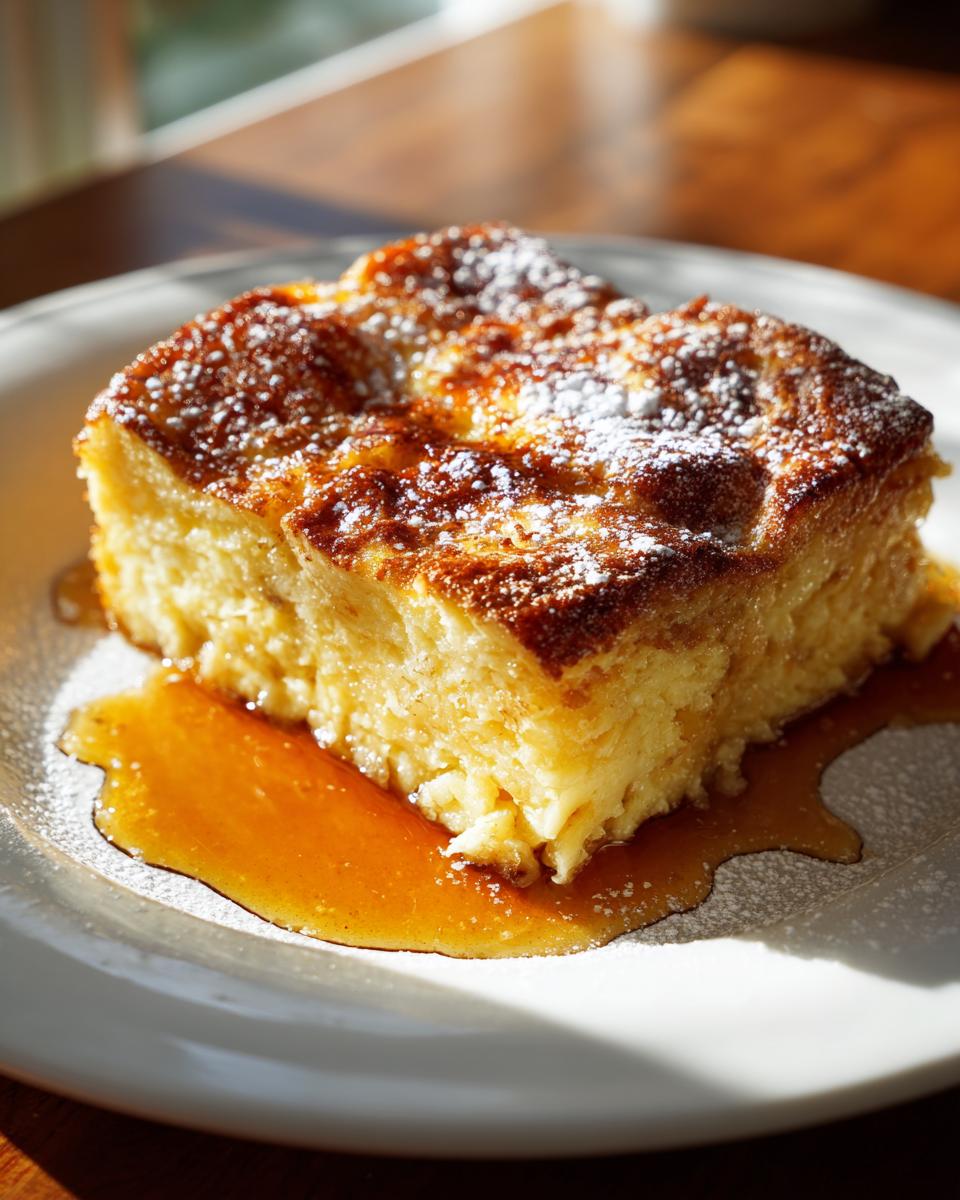
Okay, let’s talk about what goes into this piece of breakfast heaven. When you make a dessert-like breakfast like this, the quality of your core ingredients really shines through. Having everything ready means that when it’s time to assemble your baked french toast the night before, you aren’t scrambling! Remember, our ingredient list isn’t long, so pick good stuff—especially the bread. We aren’t using flimsy sandwich bread here; we need something sturdy to hold all that beautiful custard we are about to pour over it.
Bread Choice for Optimal Baked French Toast
This truly matters, friends! You absolutely must use a rich bread like brioche or challah. That extra fat content is what keeps the final casserole tender yet structured, preventing a soggy mess. Day-old bread is my top suggestion, as noted in the recipe instructions. Dry bread soaks up the liquid perfectly without collapsing. If your loaf is fresh, just leave the cubes out on a sheet pan for an hour or two to dry out a bit before you cube it up!
Step-by-Step Instructions for the Perfect Baked French Toast
Alright, now that we have the perfect bread cubes soaking up the glory, let’s talk about getting this thing baked until it’s golden perfection. This is where the structure comes together! The key here is patience, especially with the overnight soak we discussed earlier. But don’t worry if you forgot last night—I’ll give you the emergency option too. Just remember, baking this casserole means you aren’t stuck babysitting a frying pan all morning, which is honestly my favorite part of using this baked French toast recipe.
Preparing the Custard and Soaking the Bread for Baked French Toast Casserole
First things first, you have to mix that custard until it’s totally homogenous. I use a big whisk and make sure I scrape the sides of the bowl so that the sugar dissolves completely into that rich mixture of eggs, milk, and cream. Pour it slowly and evenly over the bread cubes you’ve already arranged in your greased pan. Then, and this is crucial for the baked french toast casserole magic, use your hands or a spatula to gently press down. You want every single cube to get acquainted with the liquid. Cover it tightly and let it chill for at least four hours, but honestly, overnight is where the real flavor payoff happens.
Baking Time and Checking Doneness for Fluffy Baked Breakfast
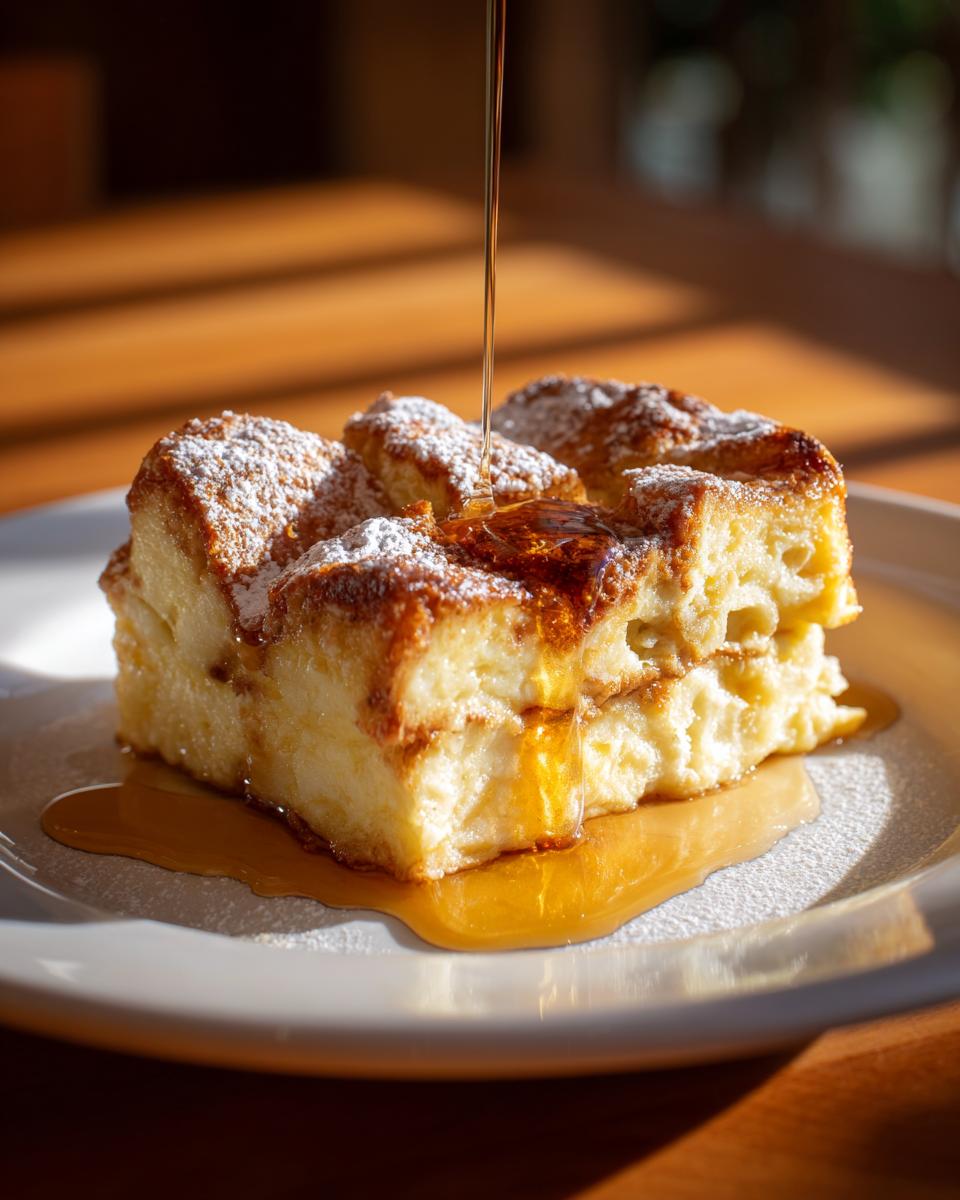
When it’s time to eat, crank that oven up to 350°F! Pull the plastic wrap off and pop the whole dish in. You are looking for that puffed-up, browned top, which usually takes about 45 to 55 minutes. How do you know it’s done? The center should look set—no wiggly liquid when you gently shake the pan. You can poke it with a knife, and you want moist crumbs clinging to it, not wet batter. Once it’s out, let the Fluffy Baked Breakfast rest for about five minutes before slicing. This lets it firm up just enough so it stays beautiful on the plate!
Expert Tips for Next-Level Cinnamon Baked French Toast Results
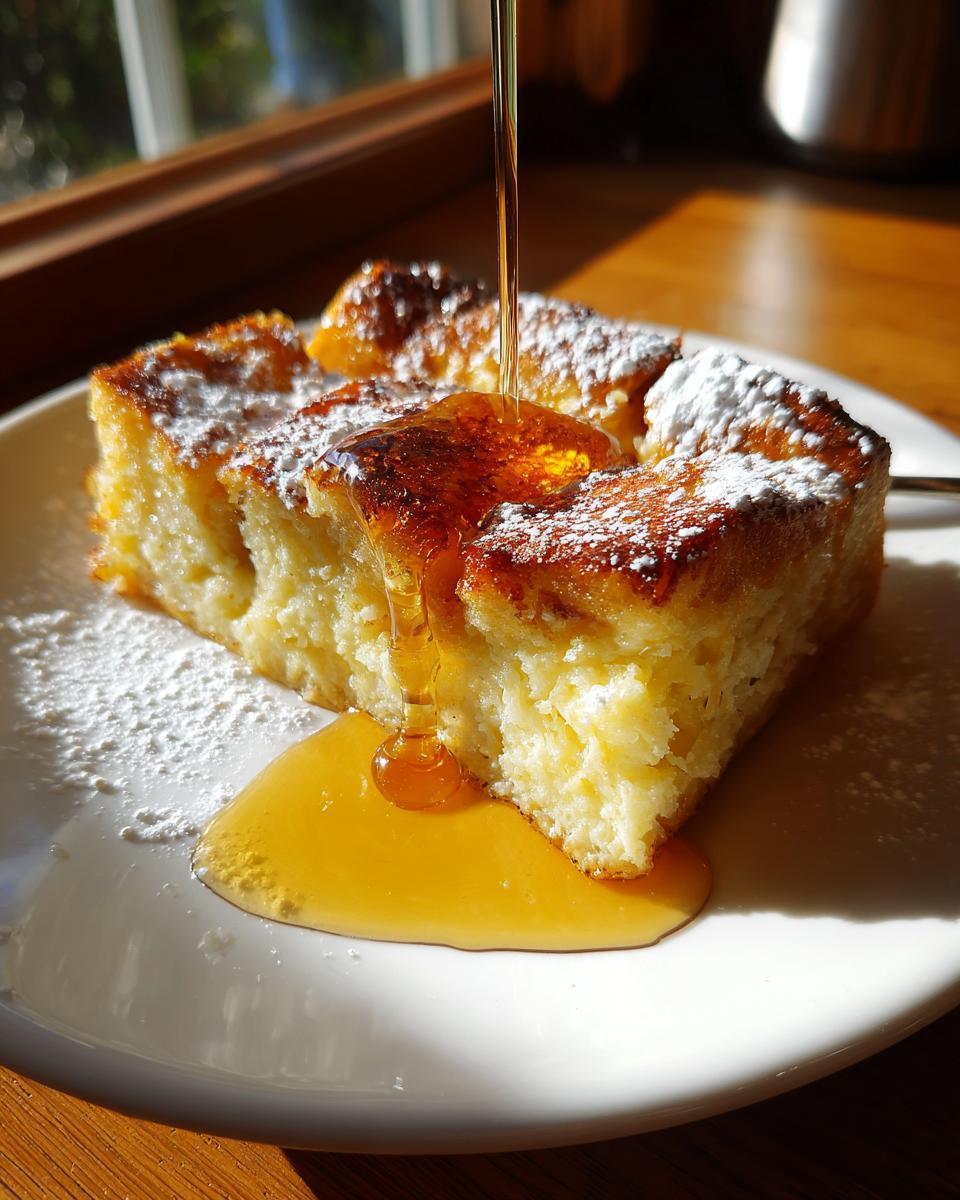
Since we are aiming for that perfect **Cinnamon Baked French Toast**, let’s talk quick fixes for common issues. If you’re worried about the edges getting dry before the middle sets, try tenting the pan very loosely with foil for the first 30 minutes of baking. Remember how Ina Garten’s recipe had that streusel topping? That’s a great way to lock in moisture on top! If you want extra spice bang, try mixing a little extra cinnamon right into the soaking bread cubes when you assemble it the night before. I read an interesting piece about how much that topping matters over at The Kitchn!
If you notice your casserole baking unevenly, it usually means your oven has hot spots—something I learned the hard way! A quick rotation halfway through baking solves this instantly. And please, always make sure you’re using a glass or ceramic dish; metal pans conduct heat too quickly and can cook those edges too fast before the custard sets. These little adjustments take this **baked french toast** from good to absolutely unforgettable.
Variations on Your Favorite Baked French Toast
While this classic **baked french toast** casserole is divine as written, I love changing things up depending on the season or what fruit I have hanging around! You can totally treat this base recipe like a blank canvas. Think about adding a layer of sliced bananas and pecans, or maybe swirling in some thick, homemade cream cheese frosting before it bakes. If you’re feeling rich, a dusting of sugar and a quick blast under the broiler at the end can give you that lovely caramelized crunch reminiscent of a crème brûlée crust!
Making Handheld French Toast Muffins
If dealing with square slices just isn’t cutting it, let’s get portable! You can absolutely pour this exact same custard and bread mix into a greased muffin tin. These become fantastic little Handheld French Toast Muffins. Bake them at the same temperature (350°F), but keep a close eye—they usually take about 20–25 minutes. They are amazing for grab-and-go breakfasts or packing into lunchboxes! If you want to level up the fruit factor, try adding some of those jumbo blueberries we talked about right here.
Serving Suggestions for Your Baked French Toast Casserole
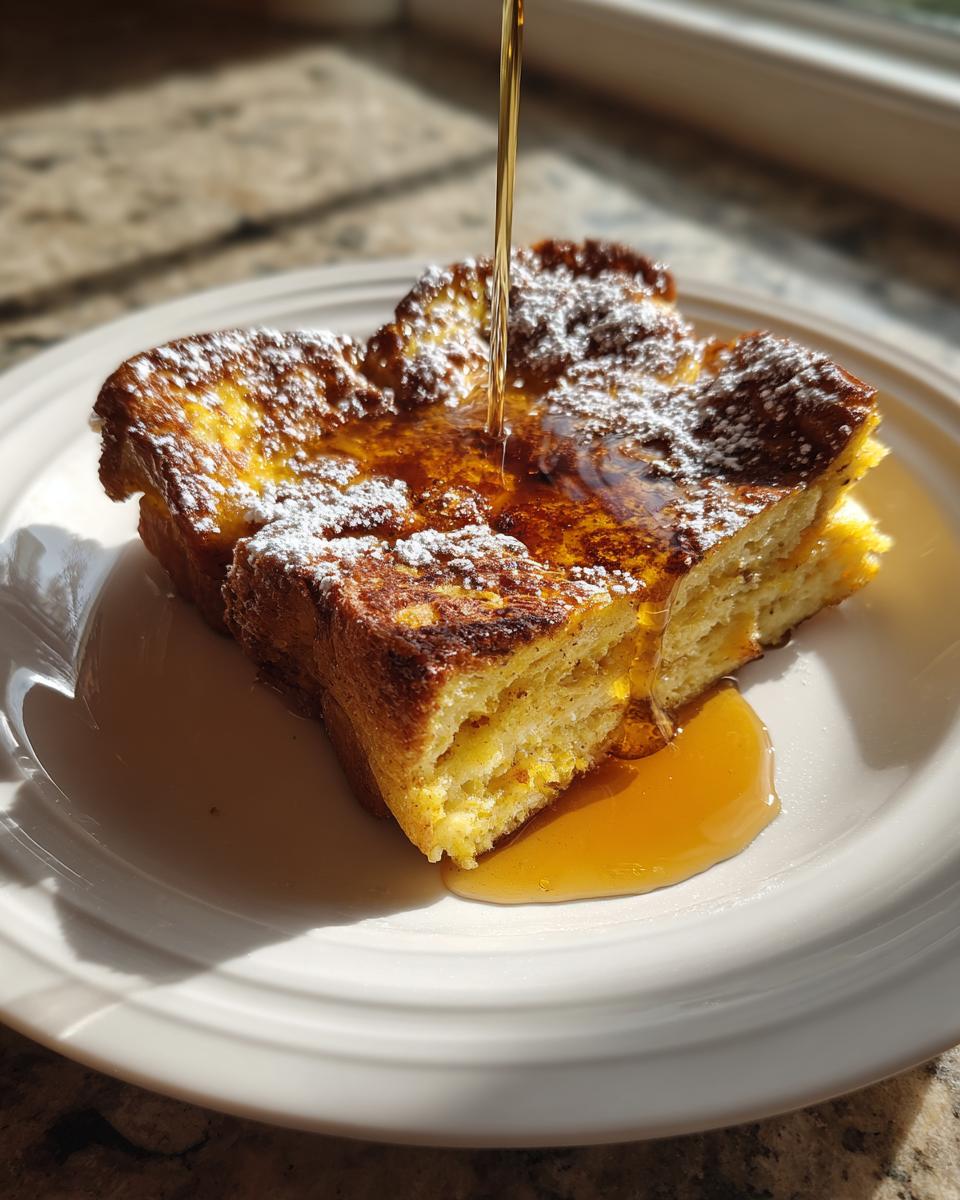
Now that our beautiful baked french toast is out of the oven, we have to dress it up! Presentation is half the fun, right? Remember that light dusting of powdered sugar we mentioned? Do that first; it looks so elegant against that golden brown top. Don’t stop there, though! A heavy drizzle of good quality maple syrup is non-negotiable for that true comfort food experience. If you’re feeling fancy for a holiday brunch, a warm drizzle of my easy caramel sauce and some fresh berries just takes this right over the top!
Storage and Reheating Instructions for Leftover Baked French Toast
If you manage to have any of this deliciousness left over—which is a feat in my house!—storing it correctly is key to enjoying it later. Once completely cooled, cover your leftovers tightly with plastic wrap or transfer them into an airtight container. You can keep this baked french toast in the fridge for up to three days. If you want to reheat it easily, I find the oven is gentlest. Just pop a slice or two onto a baking sheet at 350°F for about 10 minutes until warmed through. If you’re in a rush, the microwave works, but it won’t get that nice little crisp edge back. For making things crispy again, check out how I revive leftovers like these potato cakes—the same principle applies!
Frequently Asked Questions about Baked French Toast
I get so many questions on Instagram about this recipe because everyone wants to nail that perfect texture! It’s natural to have questions when you’re swapping out a stovetop standard for an all-in-one dish. Here are the things folks usually ask me about making their perfect baked french toast. Don’t worry, we always find a way to make it work in your kitchen!
Can I substitute the Brioche for a different bread in this baked french toast?
Oh, absolutely! While I rave about brioche or challah because they are so rich and dense, you can definitely use other breads for your baked french toast. The trick is texture! Sturdy breads work best. Think thick-cut Texas toast, hearty French bread, or even slightly stale croissants if you want to get really decadent. What you want to avoid is soft, airy white bread; that just disintegrates into mush when soaked overnight. If you’re looking for more easy, make-ahead guidance, you might find some tips in my no-bake protein balls post—it’s all about setting yourself up for success!
How do I ensure my Overnight French Toast Bake is perfectly set?
This is a big one, because a jiggly middle is no good for anyone! To ensure your Overnight French Toast Bake is perfectly set, focus on two things: the soak time and the final check. First, let it soak for that full overnight period if you can—the bread needs time to evenly absorb the egg mixture throughout the pan. Second, when baking, don’t just rely on the look of the top! Gently shake the 9×13 dish; if the center wiggles like Jell-O, it needs more time. When it looks puffed and golden brown around the edges, stick a clean knife toward the center; if it only comes out with moist crumbs attached (not wet batter!), you’re done. Five extra minutes in the oven is always better than serving a mushy center!
Nutritional Estimates for This Comfort Food Breakfast
I know many of you look at a dish this decadent—all that brioche soaked in rich custard—and wonder where it fits into your day-to-day eating. While this is definitely a celebratory comfort food breakfast, getting a general idea of what’s in it is always smart! Please remember that these numbers are just estimates based on the recipe as written (using the whole loaf, serving 8 people, and including the maple syrup drizzle). Your exact measurements, of course, will change things slightly, but this gives you a good benchmark for your baked french toast casserole prep.
- Serving Size: 1 slice (1/8th of the casserole)
- Calories: Approximately 380
- Total Fat: About 18g (Remember, we used real butter for flavor!)
- Carbohydrates: Around 48g
- Protein: About 12g
It’s quite filling, isn’t it? That protein and fat content means this breakfast will keep you satisfied until lunch, which is exactly what we want for a big weekend meal!
PrintEasy Overnight Baked French Toast Casserole

Prepare this comforting French toast casserole the night before for a stress-free, delicious breakfast or brunch. It bakes up fluffy and golden, perfect for serving a crowd.
- Prep Time: 15 min
- Cook Time: 50 min
- Total Time: 65 min
- Yield: 8 servings 1x
- Category: Breakfast
- Method: Baking
- Cuisine: American
- Diet: Vegetarian
Ingredients
- 1 loaf (about 1 pound) brioche or challah bread, cut into 1-inch cubes
- 6 large eggs
- 1 1/2 cups whole milk
- 1/2 cup heavy cream
- 1/2 cup granulated sugar
- 1 tablespoon vanilla extract
- 1 teaspoon ground cinnamon
- 1/4 teaspoon ground nutmeg
- 1/4 teaspoon salt
- 1/2 cup maple syrup, for serving
- Powdered sugar, for dusting
Instructions
- Lightly grease a 9×13 inch baking dish. Arrange the bread cubes evenly in the prepared dish.
- In a large bowl, whisk together the eggs, milk, heavy cream, granulated sugar, vanilla extract, cinnamon, nutmeg, and salt until well combined. This creates your rich custard.
- Slowly pour the custard mixture evenly over the bread cubes, pressing down gently to help the bread absorb the liquid.
- Cover the baking dish tightly with plastic wrap. Refrigerate for at least 4 hours, or preferably overnight. This step is key for a fluffy result.
- When ready to bake, preheat your oven to 350 degrees Fahrenheit (175 degrees Celsius). Remove the plastic wrap.
- Bake uncovered for 45 to 55 minutes, or until the casserole is puffed, golden brown on top, and the center is set (no liquid remains when poked).
- Let the baked French toast casserole rest for 5 minutes before slicing.
- Serve warm with maple syrup and a dusting of powdered sugar.
Notes
- Using day-old bread works best as it soaks up the custard without becoming too mushy.
- For a variation, add 1 cup of fresh or frozen blueberries over the bread before pouring the custard.
- If you need to bake immediately, let the bread soak for 30 minutes at room temperature before baking for 50-60 minutes.
Nutrition
- Serving Size: 1 slice
- Calories: 380
- Sugar: 25
- Sodium: 350
- Fat: 18
- Saturated Fat: 9
- Unsaturated Fat: 9
- Trans Fat: 0.5
- Carbohydrates: 48
- Fiber: 2
- Protein: 12
- Cholesterol: 150